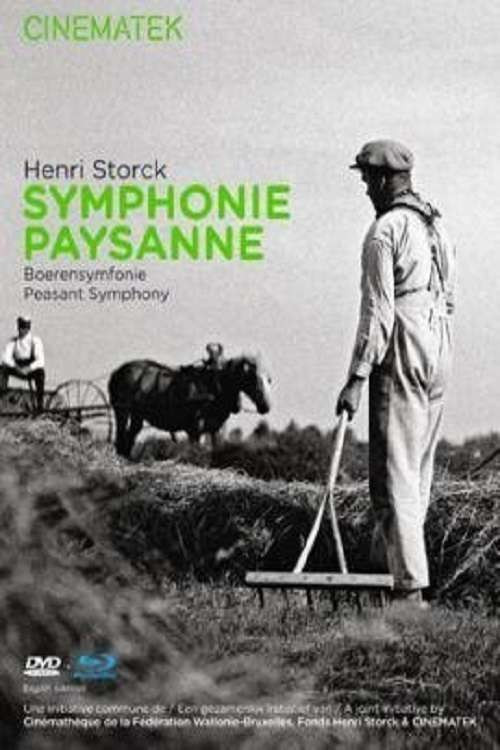
Peasant Symphony 1944
Peasant Symphony (1944), crafted by visionary Belgian filmmaker Maurice Delattre, unfolds as a poetic ode to rural existence during World War II.
Director: Maurice Delattre
Frequently Asked Questions
What is Peasant Symphony (1944) about?
Peasant Symphony follows the lives of farmers from 1942 to 1944, documenting their daily routines and seasonal rituals with poetic grace. It explores themes of life, death, labor, and the natural cycle, blending observation with reverence for the land.
Who directed Peasant Symphony?
Peasant Symphony was directed by Maurice Delattre, a filmmaker known for his deep connection to Belgian rural culture and his ability to capture the poetic in the everyday.
Who stars in Peasant Symphony?
Director information is not available.
Is Peasant Symphony (1944) worth watching?
While unrated on IMDb, Peasant Symphony stands out as a lyrical documentary that offers more than historical insight—it delivers a meditative experience. Fans of poetic realism and observational cinema will find its visual storytelling deeply moving.
How long is Peasant Symphony?
Peasant Symphony runs for 111 minutes, offering ample time to immerse in its seasonal symphony.
About Peasant Symphony (1944) — A poetic ode to farm life through the seasons
Peasant Symphony (1944), crafted by visionary Belgian filmmaker Maurice Delattre, unfolds as a poetic ode to rural existence during World War II. Over 111 minutes, the documentary captures the timeless rhythms of farm life across the seasons—birth and harvest, labor and rest, man and nature in quiet harmony. Delattre's camera dances through fields and barns, weaving a lyrical tapestry where animals graze, crops grow, and human hands shape the land with dignity. It's less a study and more a meditation on cycle and endurance, where every frame breathes the earth's pulse and the resilience of those who tend it.
This isn't just a record of agriculture; it's a visual poem where silence speaks as loudly as the wind through the fields. Peasant Symphony (1944) endures not only as a historical document but as a timeless reflection on our connection to the land and the quiet heroism of daily toil. Its poetic realism invites viewers to slow down, observe, and feel the heartbeat of a world often overlooked.