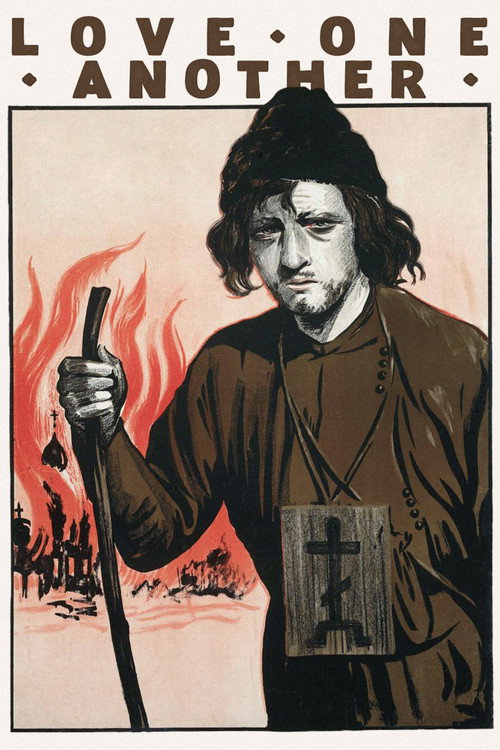
Love One Another 1922
Carl Theodor Dreyer's *Love One Another (1922)* paints a poignant portrait of resilience amid adversity, weaving together the struggles of Jewish families in early 20th-century Russia.
Director: Carl Theodor Dreyer
Cast

Frequently Asked Questions
What is *Love One Another (1922)* about?
The film follows Hanne Liebe, a Jewish girl growing up in Russia's turbulent early 20th century, as she confronts the daily hardships of anti-Semitism and the revolutionary currents reshaping her world. It's a deeply personal story set against a backdrop of collective resistance and change.
Who directed *Love One Another*?
Carl Theodor Dreyer, the legendary Danish filmmaker known for his visually striking and emotionally profound silent films, helmed *Love One Another*.
Who stars in *Love One Another*?
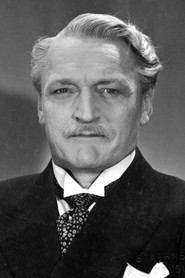
The film features Adele Reuter-Eichberg as Hanne Liebe, alongside Vladimir Gajdarov and Polina Piekowskaja in key roles, with Sylvia Torff, Hugo Döblin, and J.N. Douvan-Tarzow rounding out the cast.
Is *Love One Another (1922)* worth watching?
While silent-era films demand patience, *Love One Another* rewards viewers with Dreyer's artistic vision and a story rich in emotional depth. Its themes of resilience and social upheaval—grounded in historical realism—make it a compelling watch for fans of classic drama, though its unrated status may limit mainstream interest.
How long is *Love One Another*?
The film runs for 95 minutes, offering a tightly woven narrative that balances intimate character drama with sweeping societal change.
About Love One Another (1922) — Dreyer's Silent Drama of Jewish Struggle and Hope
Carl Theodor Dreyer's *Love One Another (1922)* paints a poignant portrait of resilience amid adversity, weaving together the struggles of Jewish families in early 20th-century Russia. Through the eyes of Hanne Liebe, a young woman navigating the oppressive realities of anti-Semitism, the film captures the fragile hope and seething unrest that fueled a nation's quiet revolution. With Dreyer's signature visual poetry, the drama unfolds in stark, emotional contrasts—whispers of tradition against the roar of societal upheaval, personal longing against the weight of history.
This silent-era masterpiece thrives on raw authenticity, grounding its themes in the lived experiences of its characters. The atmosphere crackles with tension, as intimate family moments dissolve into the broader struggle for dignity and survival. A story of endurance, it lingers in the mind long after the final frame, a testament to Dreyer's ability to turn historical struggle into timeless cinema.