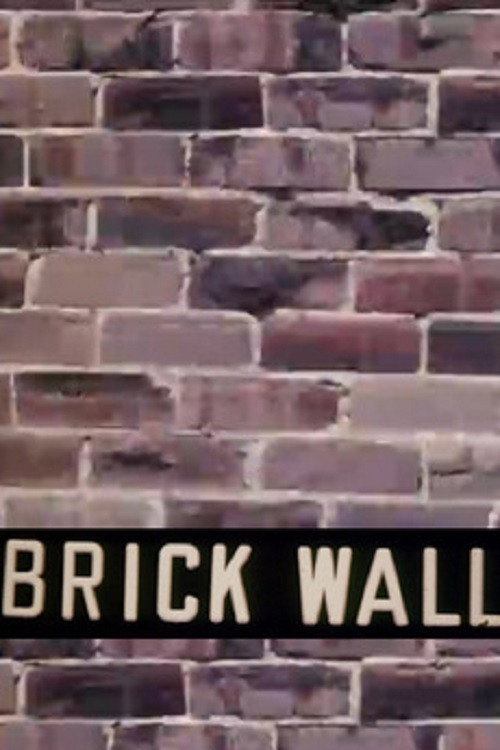
Brickwall 1975
Brickwall (1975) is a distinctive documentary short film directed by Paul Winkler that transforms the everyday craft of bricklaying into cinematic art.
Director: Paul Winkler
Frequently Asked Questions
What is Brickwall (1975) about?
Brickwall chronicles a day in the life of bricklaying work through the lens of director Paul Winkler, who was himself a bricklayer. The film condenses eight hours of physical labor into 22 minutes, exploring the rhythm and ritual of construction work from sunrise to the end of the workday.
Who directed Brickwall?
Paul Winkler directed Brickwall. His background as an actual bricklayer informed the film's authentic approach to documenting construction work and its unique rhythmic structure.
Who stars in Brickwall?
Cast information for Brickwall is not available, as the documentary focuses on the work process rather than individual performers.
Is Brickwall (1975) worth watching?
Brickwall is worth watching for viewers interested in experimental cinema and documentaries about working-class life. The film's unique approach to structuring time and its focus on craftsmanship make it a noteworthy piece of Australian avant-garde filmmaking, particularly for those curious about unconventional documentary styles.
How long is Brickwall?
Brickwall runs for 22 minutes.
About Brickwall (1975) — An Experimental Documentary on Labor
Brickwall (1975) is a distinctive documentary short film directed by Paul Winkler that transforms the everyday craft of bricklaying into cinematic art. Drawing from his own experience as a bricklayer, Winkler spent eight hours documenting a day's work, then condensed this material into a precisely structured 22-minute film. The documentary follows the natural rhythm of construction work—from early morning starts through morning tea, lunch breaks, and afternoon wrap-up—capturing the meditative quality of skilled manual labor.
Winkler approached the film's construction like actual masonry, using a deliberate rhythmic pattern of 3, 6, 12, and 24 frames to mirror how mortar and bricks come together. This experimental documentary offers an intimate look at working-class life and the beauty found in repetitive, purposeful tasks. The film's unrated status reflects its independent, artisanal nature, making it a fascinating artifact of 1970s Australian experimental cinema. For those interested in documentaries about labor, craftsmanship, or avant-garde filmmaking techniques, Brickwall provides a unique viewing experience that celebrates both the physical act of building and the artistry behind the camera.