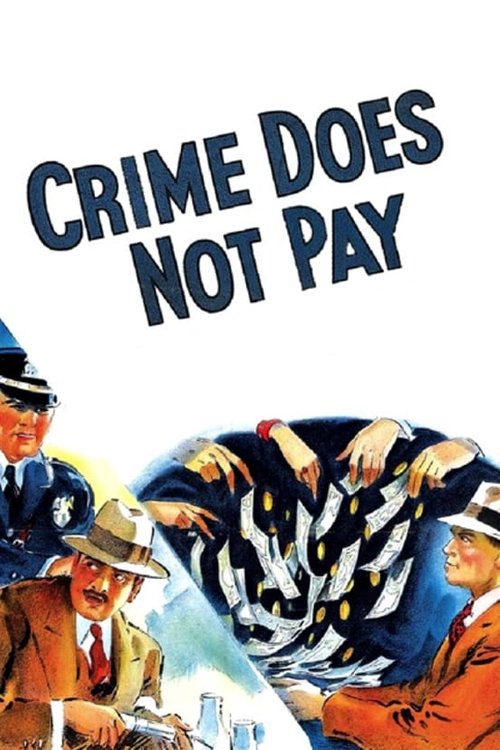
Purity Squad 1945
Step into the shadowy world of 1940s crime dramas with *Purity Squad (1945)*, a gripping short film from the acclaimed *Crime Does Not Pay* series directed by Harold F. Kress.
Director: Harold F. Kress
Cast
Frequently Asked Questions
What is Purity Squad (1945) about?
*Purity Squad (1945)* follows the dangerous consequences of rushing an untested drug to market. Two investors promote 'Diabulin,' a supposed insulin alternative, but when users begin dying, government regulators step in to expose the deception and seek justice. The film serves as a stark critique of corporate negligence and the importance of rigorous testing in medicine.
Who directed Purity Squad?
Harold F. Kress directed *Purity Squad (1945)*. Known for his work in editing and directing during Hollywood's Golden Age, Kress brings a sharp, no-nonsense style to this crime drama.
Who stars in Purity Squad?
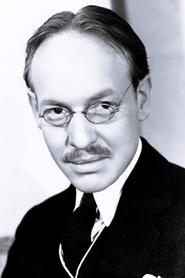
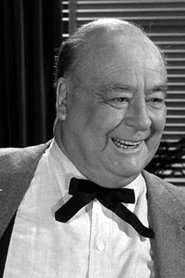
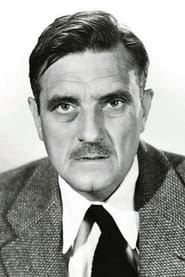
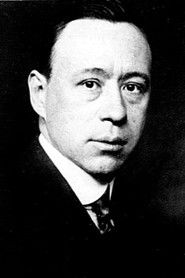
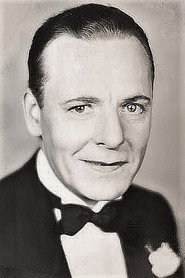
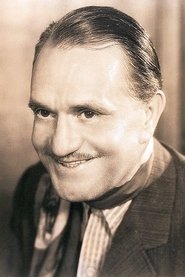
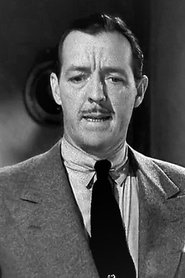
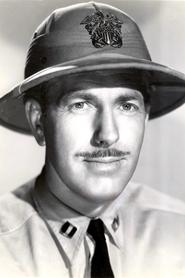
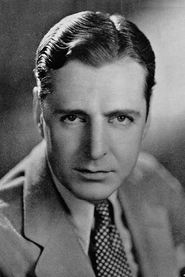
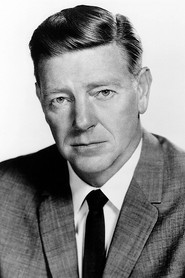
The film features a talented ensemble cast including Byron Foulger, Dick Elliott, Morris Ankrum, Paul E. Burns, and Edward Earle, each playing pivotal roles in this moralistic crime story.
Is Purity Squad (1945) worth watching?
While *Purity Squad (1945)* isn't widely rated, its tight 20-minute runtime and compelling themes make it a worthwhile watch for fans of classic crime dramas. The film's focus on medical ethics and government oversight gives it a relevance that extends beyond its era, offering both entertainment and a cautionary tale.
How long is Purity Squad?
*Purity Squad (1945)* has a runtime of 20 minutes.
About Purity Squad (1945) — Dive Into a High-Stakes Crime Drama from the Golden Age
Step into the shadowy world of 1940s crime dramas with *Purity Squad (1945)*, a gripping short film from the acclaimed *Crime Does Not Pay* series directed by Harold F. Kress. This tense morality tale dives into the dark underbelly of the pharmaceutical industry, exposing the deadly consequences of unchecked greed and corner-cutting. When two shady investors rush to market 'Diabulin'—a supposed insulin substitute—after promising early lab results, they unleash a wave of tragedy as users begin to die mysteriously. The film unfolds like a stark warning, blending procedural tension with the moral clarity of its era, as government regulators step in to bring the perpetrators to justice. With its stark black-and-white cinematography and urgent storytelling, *Purity Squad (1945)* delivers a compelling snapshot of public health ethics gone horribly wrong.
A product of its time yet eerily resonant today, this 20-minute crime drama uses its confined runtime to maximum impact, focusing on themes of corporate responsibility, medical ethics, and the tragic cost of cutting corners. Kress's direction keeps the pacing tight, while the ensemble cast—led by Byron Foulger and Dick Elliott—bring a grounded intensity to their roles as both villains and investigators. Whether you're a fan of Golden Age crime films or simply drawn to stories that hold a mirror to societal flaws, *Purity Squad (1945)* offers a brisk, thought-provoking watch that lingers long after the final frame.