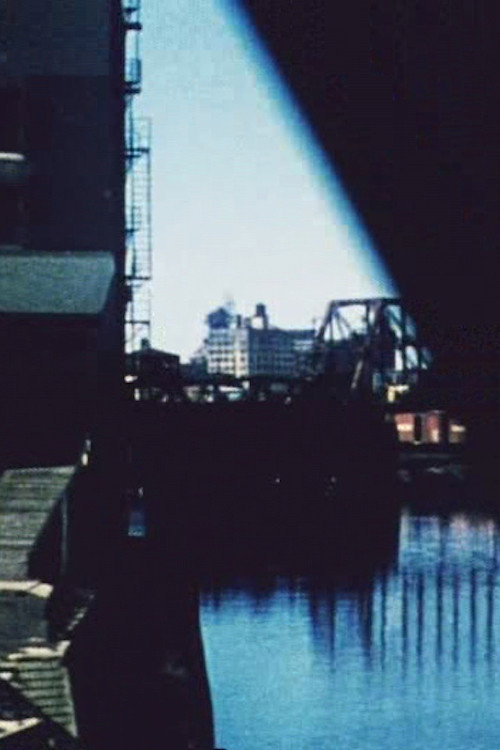
Pennsylvania/Chicago/Illinois 1959
Jim Davis' Pennsylvania/Chicago/Illinois (1959) is a short experimental film that blurs the boundaries between geography and memory, weaving together fleeting images of three distinct American landscapes.
Director: Jim Davis
Frequently Asked Questions
What is Pennsylvania/Chicago/Illinois (1959) about?
The film is a 7-minute experimental collage connecting three iconic American cities—Pennsylvania, Chicago, and Illinois—through fragmented, dreamlike imagery and editing. It explores themes of memory, distance, and the emotional resonance of place without relying on traditional storytelling.
Who directed Pennsylvania/Chicago/Illinois?
Pennsylvania/Chicago/Illinois was directed by Jim Davis, a filmmaker known for his experimental and unconventional approach to cinema during the mid-20th century.
Who stars in Pennsylvania/Chicago/Illinois?
Cast details for Pennsylvania/Chicago/Illinois are not listed, reflecting its abstract, non-narrative style.
Is Pennsylvania/Chicago/Illinois (1959) worth watching?
As a short experimental film, Pennsylvania/Chicago/Illinois is best suited for viewers who appreciate avant-garde cinema or visual storytelling. Its abstract nature may not appeal to everyone, but it offers a unique, meditative experience for those curious about early American experimental filmmaking.
How long is Pennsylvania/Chicago/Illinois?
Pennsylvania/Chicago/Illinois runs for 7 minutes.
About Pennsylvania/Chicago/Illinois (1959) — A 7-Minute Experimental Travelogue Through America
Jim Davis' Pennsylvania/Chicago/Illinois (1959) is a short experimental film that blurs the boundaries between geography and memory, weaving together fleeting images of three distinct American landscapes. Shot in a grainy, documentary-style aesthetic, the 7-minute piece feels like a lyrical travelogue or a daydream stitched from postcards and home movies. Its meditative pacing and abstract approach invite viewers to ponder the emotional weight of place, whether it's the rustic charm of Pennsylvania, the urban pulse of Chicago, or the quiet expanses of Illinois. The film eschews narrative in favor of mood, using light, motion, and sound to evoke nostalgia and wanderlust without ever leaving the confines of the editing room.
Often described as a visual tone poem, Pennsylvania/Chicago/Illinois captures the essence of mid-century Americana through a surreal lens. The overlapping shots—some grainy, others crisp—suggest a filmmaker's personal odyssey, as if Davis himself is trying to reconcile the distance between these locations in his mind. The result is less a travelogue and more a cinematic haiku: a fleeting glimpse into the way we connect with places we've only imagined or visited in fragments.