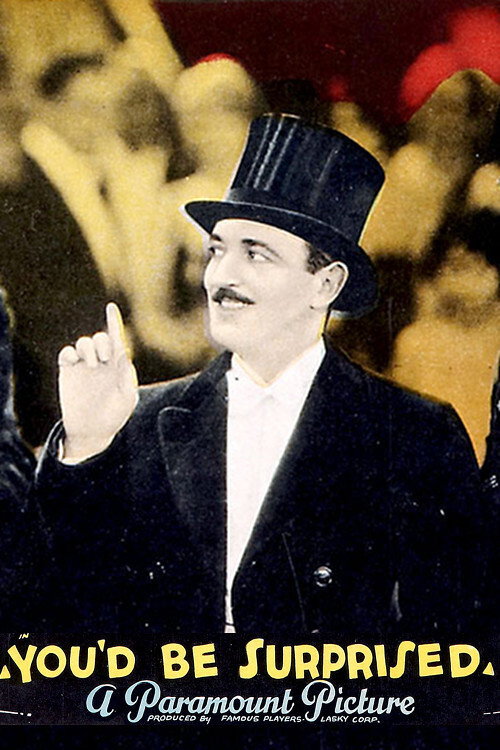
You'd Be Surprised 1926
Dive into the silent-era whodunit *You'd Be Surprised* (1926), directed by Arthur Rosson, where a glittering diamond vanishes during a high-stakes houseboat gathering—only for the host to meet a shocking demise.
Director: Arthur Rosson
Cast
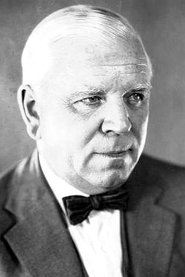
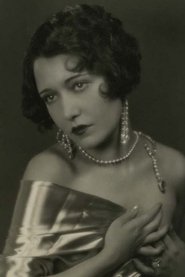
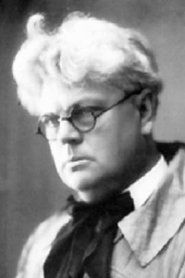
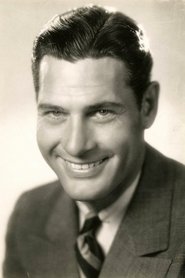
Frequently Asked Questions
What is You'd Be Surprised (1926) about?
A diamond disappears during a lavish houseboat party, leading to a murder mystery that traps suspects in a deadly game of cat and mouse. The film's plot hinges on a missing gem, a shadowy thief, and a coroner's life hanging in the balance.
Who directed You'd Be Surprised?
Arthur Rosson directed this 1926 silent-era mystery-comedy.
Who stars in You'd Be Surprised?
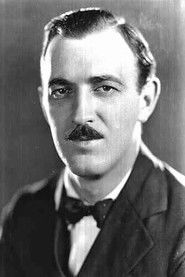
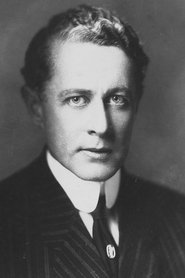
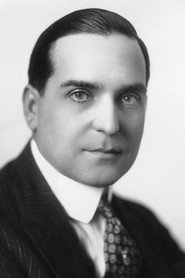
The film features Raymond Griffith as the thief, alongside Edward Martindel, Earle Williams, Dorothy Sebastian, and Granville Redmond in pivotal roles.
Is You'd Be Surprised (1926) worth watching?
As a silent-era mystery-comedy, it offers a blend of charm and suspense, though its unrated status means it's more of a niche curiosity than a must-see classic. Fans of early cinema or twisty whodunits will find it a delightful relic.
How long is You'd Be Surprised?
The film runs for 65 minutes.
About You'd Be Surprised (1926) — A Silent-Era Mystery Comedy with a Deadly Twist
Dive into the silent-era whodunit *You'd Be Surprised* (1926), directed by Arthur Rosson, where a glittering diamond vanishes during a high-stakes houseboat gathering—only for the host to meet a shocking demise. Raymond Griffith stars as the cunning culprit, while Edward Martindel and Earle Williams anchor the police investigation amid the glittering chaos. This mystery-comedy blends sharp wit with eerie suspense, turning a glittering gem into the key to a deadly puzzle.
The film's 65-minute runtime races through a labyrinth of red herrings and desperate chases, all against a backdrop of 1920s glamour and shadowy intrigue. With its playful deception and sudden violence, *You'd Be Surprised* captures the era's love for twisty puzzles and silent-screen charm. Starring Dorothy Sebastian and Granville Redmond, this lesser-known gem is a time capsule of early filmmaking audacity.