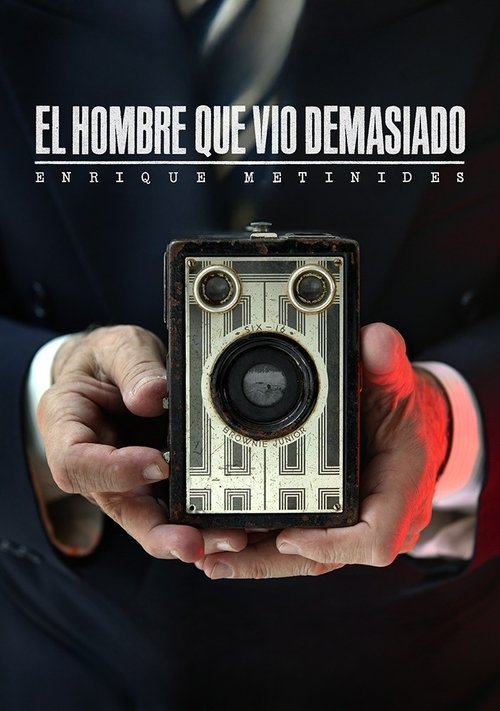
The Man Who Saw Too Much 2015
Directed by Trisha Ziff, *The Man Who Saw Too Much* (2015) dives into the haunting world of Enrique Metinides, a legendary photographer whose lens captured Mexico City's most tragic moments.
Director: Trisha Ziff
Cast
Frequently Asked Questions
What is The Man Who Saw Too Much (2015) about?
This documentary follows Enrique Metinides, a photographer whose career revolved around documenting accidents and crime scenes in Mexico City. His work blurs the line between capturing reality and feeding a deeper, almost obsessive fascination with life's fragility.
Who directed The Man Who Saw Too Much?
Trisha Ziff directed *The Man Who Saw Too Much*, weaving Metinides' archive with modern perspectives to create a chilling yet poetic narrative.
Who stars in The Man Who Saw Too Much?
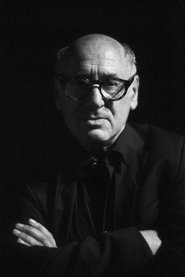
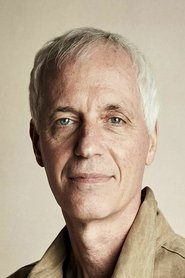
The film features Enrique Metinides, Felipe León Romo, Pedro Meyer, and Elizabeth Metinides, along with Denise Wolff and Michael Nyman's atmospheric contributions.
Is The Man Who Saw Too Much (2015) worth watching?
As a documentary, it offers a unique and unsettling look at the intersection of art, suffering, and human curiosity. While not for the faint-hearted, its thoughtful exploration of Metinides' work makes it compelling for fans of documentary films and true-crime enthusiasts.
How long is The Man Who Saw Too Much?
The runtime of *The Man Who Saw Too Much* is 88 minutes.
🎥 Trailer
About The Man Who Saw Too Much (2015) — A Photographer's Obsession with Mexico City's Darkest Moments
Directed by Trisha Ziff, *The Man Who Saw Too Much* (2015) dives into the haunting world of Enrique Metinides, a legendary photographer whose lens captured Mexico City's most tragic moments. This documentary explores his obsession with photographing accidents and crime scenes, framing each shot not just as documentation but as a fragile connection to life itself. Blending Metinides' archival images with the perspectives of modern tabloid photographers, the film uncovers a city where rubbernecking turns into art, and tragedy becomes a voyeuristic fascination.
As the narrative unfolds, it questions the fine line between documenting suffering and exploiting it, all while immersing viewers in a visually striking homage to the macabre. With a runtime of just 88 minutes, this thought-provoking documentary challenges audiences to reflect on the ethics of capturing pain, making it a standout in the genre.