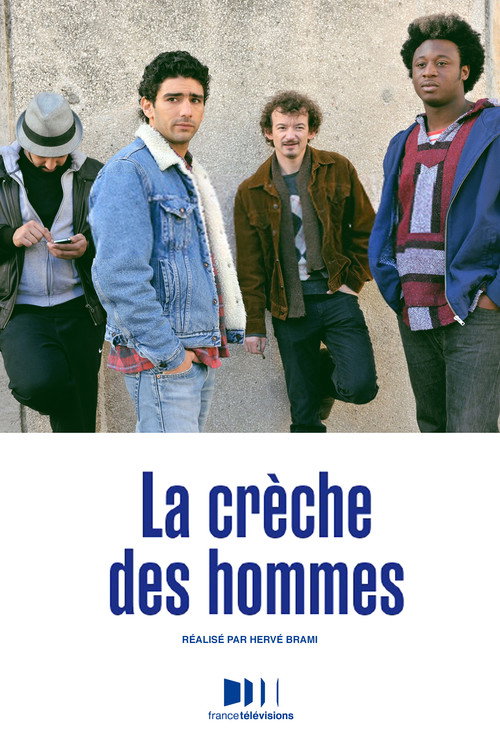
La Crèche des hommes 2014
Hervé Brami's 2014 drama-comedy *La Crèche des hommes* paints a raw yet warm portrait of life's quiet revolutions in the Parisian suburbs.
Director: Hervé Brami
Cast




Frequently Asked Questions
What is La Crèche des hommes (2014) about?
The film follows Mohamed, a man who's spent nearly 30 years standing outside his apartment building in the Paris suburbs, marking time in unemployment and routine. When strollers start appearing everywhere—and even the younger generation embraces parenthood—he's forced to question whether this quiet revolution could be the way forward for his stagnant world.
Who directed La Crèche des hommes?
Hervé Brami directed the film, blending sharp social commentary with a mix of drama and comedy to explore themes of fatherhood and societal change.
Who stars in La Crèche des hommes?
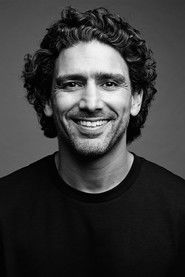
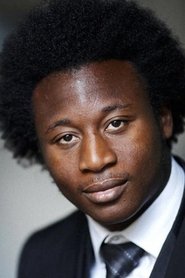
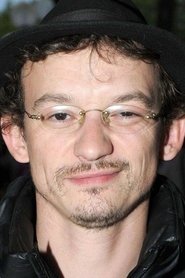
The film features Salim Kéchiouche as Mohamed, alongside Alex Fondja, Julien Courbey, Mhamed Arezki, Julie de Bona, and Nanou Garcia.
Is La Crèche des hommes (2014) worth watching?
With its blend of social realism and heartfelt comedy, *La Crèche des hommes* offers a fresh perspective on everyday resilience. While it lacks a widely known IMDb rating, its themes of community and unexpected change make it a compelling watch for fans of character-driven dramas like this.
How long is La Crèche des hommes?
The film runs for 90 minutes.
About La Crèche des hommes (2014) — A Suburban Comedy-Drama About Unexpected Fatherhood
Hervé Brami's 2014 drama-comedy *La Crèche des hommes* paints a raw yet warm portrait of life's quiet revolutions in the Parisian suburbs. For nearly three decades, Mohamed has stood rooted outside his apartment building, watching time pass in the form of strollers rolling by and neighbors rushing past. Unemployment lingers, dreams fade, and the walls of routine seem unbreakable—until the arrival of a new generation forces everyone to confront an unexpected truth. Between the humor of everyday absurdities and the weight of unspoken frustrations, the film captures a community at a crossroads, where parenthood becomes an unlikely catalyst for change. Salim Kéchiouche shines as Mohamed, embodying the quiet resilience of men caught between stagnation and hope.
Set against the backdrop of a neighborhood where time feels suspended, the story weaves together themes of fatherhood, economic struggle, and the small revolutions that redefine a community. Brami balances sharp social observation with moments of levity, creating a tone that's both poignant and playful. The film asks whether stasis can truly be broken—not with grand gestures, but through the everyday act of showing up for the future you didn't see coming.