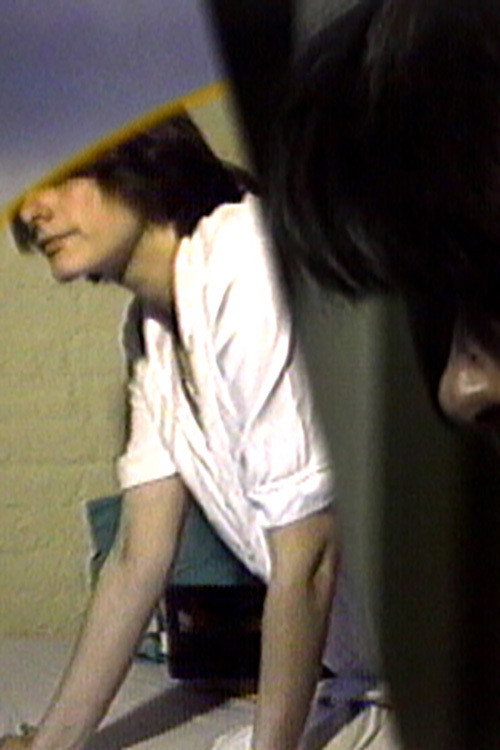
Damnation of Faust Trilogy 1987
Unfolding in the vibrant streets of SoHo, the *Damnation of Faust Trilogy (1987)* kicks off with *Evocation*, a visually hypnotic exploration of childhood, longing, and the silent language of gestures.
Director: Dara Birnbaum
Frequently Asked Questions
What is Damnation of Faust Trilogy (1987) about?
The trilogy's first installment, *Evocation*, unfolds as a wordless meditation on childhood play and observation, where a woman's silent gaze meets the unspoken gestures of children in a SoHo playground. The film weaves themes of memory, isolation, and the blurred boundaries between reality and artistry through striking visual motifs and seamless transitions.
Who directed Damnation of Faust Trilogy?
The *Damnation of Faust Trilogy* was directed by Dara Birnbaum, a pioneering figure in multimedia and video art known for her innovative fusion of technology and storytelling.
Who stars in Damnation of Faust Trilogy?
Cast details for the trilogy are not publicly listed, reflecting its experimental and visual-driven nature.
Is Damnation of Faust Trilogy (1987) worth watching?
As an avant-garde short film, *Damnation of Faust Trilogy* is best suited for viewers who appreciate experimental cinema and visual art. Its 22-minute runtime packs a poetic punch, though its abstract approach may not appeal to those seeking traditional narratives. For fans of Birnbaum's work, it's a compelling addition to her portfolio.
How long is Damnation of Faust Trilogy?
The *Damnation of Faust Trilogy* runs for 22 minutes.
About Damnation of Faust Trilogy (1987) — A Silent Visual Poem of Playgrounds and Longing
Unfolding in the vibrant streets of SoHo, the *Damnation of Faust Trilogy (1987)* kicks off with *Evocation*, a visually hypnotic exploration of childhood, longing, and the silent language of gestures. Directed by trailblazing multimedia artist Dara Birnbaum, this 22-minute segment immerses viewers in the world of a woman observing from the sidelines as children play in a playground. Through striking visual motifs—pillars, fans, and seamless video wipes—the film blurs the line between reality and artifice, transforming movement into a poetic dialogue. The absence of dialogue heightens the emotional resonance, inviting audiences to interpret raw, unspoken interactions that feel both intimate and hauntingly universal.
Birnbaum's experimental approach merges cinema with fine art, crafting a layered narrative where nostalgia and existential themes intertwine. The playground becomes a stage for fleeting moments of joy and melancholy, while the recurring imagery of pillars and fans suggests hidden structures of fate and desire. This trilogy marks a bold experiment in visual storytelling, where every frame feels deliberate and every gesture carries weight. For fans of avant-garde cinema and those who appreciate films that challenge conventional narrative, *Damnation of Faust Trilogy* offers a mesmerizing, thought-provoking experience that lingers long after the credits roll.