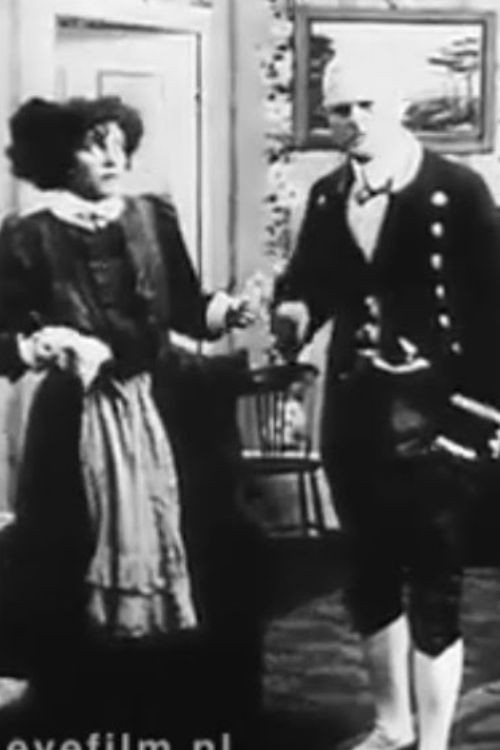
A Woman's Treachery 1910
In "A Woman's Treachery (1910)", a silent-era drama directed by Theo Frenkel Sr., morality and betrayal collide when a compassionate man shields a maid who steals a precious necklace, only to later repudiate her upon discovering her marriage to another.
Director: Theo Frenkel Sr.
Frequently Asked Questions
What is A Woman's Treachery (1910) about?
This gripping silent-era short follows a man who nobly takes the blame when a maid steals a necklace, only to turn against her after discovering she's marrying someone else. The film explores themes of loyalty, sacrifice, and the pain of betrayal in a compact, emotionally charged narrative.
Who directed A Woman's Treachery?
Theo Frenkel Sr. directed the film, contributing his signature talent for blending dramatic tension with early cinematic storytelling.
Who stars in A Woman's Treachery?
The main cast details are not listed, so the performers remain a mystery beyond the narrative's dramatic core.
Is A Woman's Treachery (1910) worth watching?
As a silent-era drama packed into just 10 minutes, it's a fascinating snapshot of early filmmaking, though its unrated status means it's best viewed with an appreciation for historical context. The themes of betrayal and moral conflict give it a timeless edge.
How long is A Woman's Treachery?
A Woman's Treachery runs for 10 minutes, making it a perfect quick watch for fans of silent cinema and early melodrama.
🎥 Trailer
About A Woman's Treachery (1910) — Silent-Era Drama of Betrayal and Sacrifice
In "A Woman's Treachery (1910)", a silent-era drama directed by Theo Frenkel Sr., morality and betrayal collide when a compassionate man shields a maid who steals a precious necklace, only to later repudiate her upon discovering her marriage to another. Set against the stark contrasts of early 20th-century society, the film weaves a tense narrative of sacrifice, deception, and the fragility of trust, unfolding in just 10 minutes of gripping screen time. The claustrophobic atmosphere heightens the emotional weight of each revelation, leaving viewers to ponder the boundaries of loyalty and the consequences of a single moment of treachery.
Though stripped of dialogue, the story's power lies in its stark visual storytelling and the moral ambiguity that lingers long after the credits roll. Frenkel's direction infuses the proceedings with a raw intensity, while the brevity of the film ensures every shot and gesture carries weight. For silent cinema enthusiasts and fans of early melodrama, "A Woman's Treachery (1910)" offers a poignant glimpse into the shifting sands of human relationships, where well-intentioned actions can unravel with devastating speed.