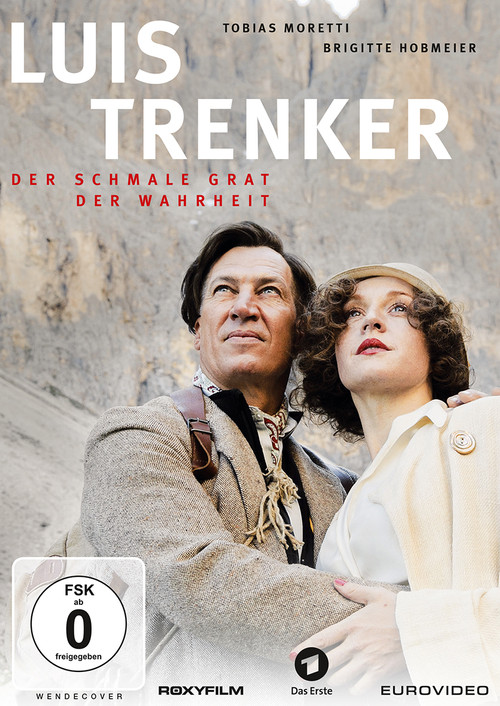
Luis Trenker - Der schmale Grat der Wahrheit 2015
In 2015, Austrian director Wolfgang Murnberger brought to life the intriguing true-story drama *Luis Trenker - Der schmale Grat der Wahrheit*.
Director: Wolfgang Murnberger
Cast






Frequently Asked Questions
What is Luis Trenker - Der schmale Grat der Wahrheit (2015) about?
This historical drama follows legendary mountaineer and filmmaker Luis Trenker as he journeys to Venice in 1948 to pitch Eva Braun's diaries to a Hollywood agent. Amid a court battle over their authenticity, flashbacks expose personal and political conflicts, including Trenker's past entanglement with Leni Riefenstahl.
Who directed Luis Trenker - Der schmale Grat der Wahrheit?
Wolfgang Murnberger directed this gripping drama, known for his skillful blending of historical narrative with personal drama.
Who stars in Luis Trenker - Der schmale Grat der Wahrheit?
The film features Tobias Moretti, Brigitte Hobmeier, Marc Benjamin, Ole Eisfeld, and Anatole Taubman in pivotal roles.
Is Luis Trenker - Der schmale Grat der Wahrheit (2015) worth watching?
For fans of historical dramas rich in moral complexity and period detail, *Luis Trenker - Der schmale Grat der Wahrheit* offers a compelling look at redemption and the cost of truth. Its 90-minute runtime keeps the story tight and engaging, though mainstream recognition remains limited.
How long is Luis Trenker - Der schmale Grat der Wahrheit?
The film runs for approximately 90 minutes.
About Luis Trenker - Der schmale Grat der Wahrheit (2015) — Truth, ambition, and the weight of legacy in post-war cinema
In 2015, Austrian director Wolfgang Murnberger brought to life the intriguing true-story drama *Luis Trenker - Der schmale Grat der Wahrheit*. Set against the backdrop of post-war Germany in 1948, the film follows South Tyrolean mountaineering legend and filmmaker Luis Trenker as he travels to the Venice Film Festival with a bold mission: to sell Eva Braun's controversial diaries to Hollywood agent Paul Kohner. Yet beneath this high-stakes negotiation lies a deeper layer of personal and political tension.
As courtroom drama unfolds in Munich over the diaries' authenticity, flashbacks reveal the tangled web of relationships, ambition, and betrayal involving figures like Leni Riefenstahl—once Trenker's lover and a figure entangled in the shadows of the Nazi regime. With rich historical detail and emotional depth, the film explores themes of truth, redemption, and the blurred line between personal legacy and public perception.