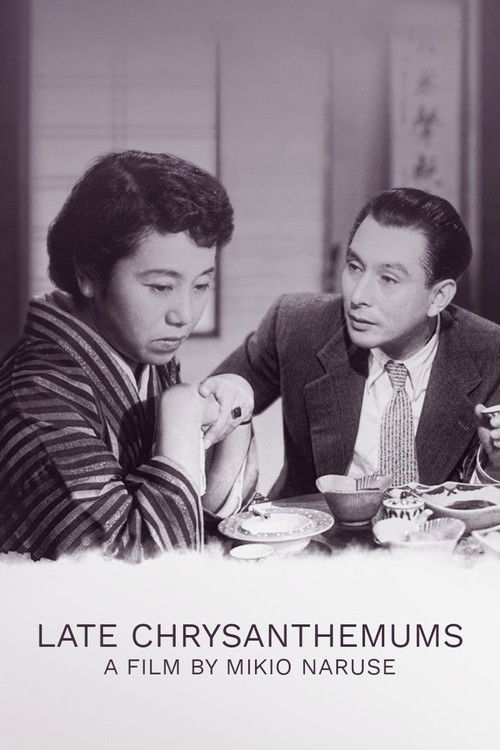
Late Chrysanthemums 1954
Experience the poignant drama of Late Chrysanthemums (1954), a film that delves into the lives of retired Geisha women, exploring themes of beauty, loneliness, and the fleeting nature of youth.
Director: Mikio Naruse
Cast
Haruko Sugimura
Kin
Sadako Sawamura
Nobu
Chikako Hosokawa
Tamae
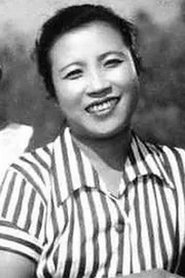
Yūko Mochizuki
Tomi
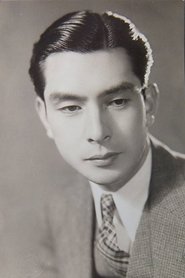
Ken Uehara
Tabe
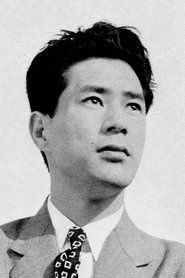
Hiroshi Koizumi
Kiyoshi

Ineko Arima
Sachiko
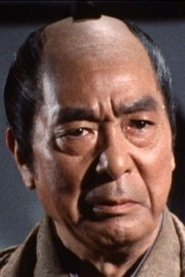
Bontarō Miake
Seki
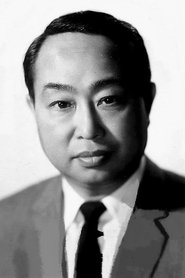
Daisuke Katō
Itaya
Haruna Kaburagi
Frequently Asked Questions
What is Late Chrysanthemums (1954) about?
The film follows the lives of retired Geisha women, exploring themes of beauty, loneliness, and the fleeting nature of youth.
Who directed Late Chrysanthemums?
The film was directed by Mikio Naruse, a renowned Japanese director.
Who stars in Late Chrysanthemums?
The film features a talented cast, including Haruko Sugimura, Sadako Sawamura, Chikako Hosokawa, and Yūko Mochizuki.
Is Late Chrysanthemums (1954) worth watching?
As a drama that explores complex themes and features a nuanced cast, Late Chrysanthemums (1954) is a thought-provoking and emotionally charged experience that is worth watching.
How long is Late Chrysanthemums?
The film has a runtime of 101 minutes.
Late Chrysanthemums (1954) — A Poignant Exploration of Beauty and Loneliness
Experience the poignant drama of Late Chrysanthemums (1954), a film that delves into the lives of retired Geisha women, exploring themes of beauty, loneliness, and the fleeting nature of youth. Directed by the renowned Mikio Naruse, this 101-minute masterpiece weaves a complex narrative that follows Kin, a former Geisha turned money-lender, as she navigates her relationships with her former lovers and friends, now indebted to her. The film's atmosphere is somber and introspective, inviting viewers to reflect on the consequences of time and the passage of beauty. With a talented cast, including Haruko Sugimura and Sadako Sawamura, Late Chrysanthemums (1954) is a thought-provoking and emotionally charged experience that lingers long after the credits roll.
In the hands of a master director, Late Chrysanthemums (1954) offers a gripping portrayal of the lives of women who have lost their youth and beauty, struggling to find purpose and connection in a world that has moved on without them. With its nuanced characters and atmospheric setting, this drama is a must-watch for fans of Mikio Naruse and those interested in exploring the complexities of the human experience.