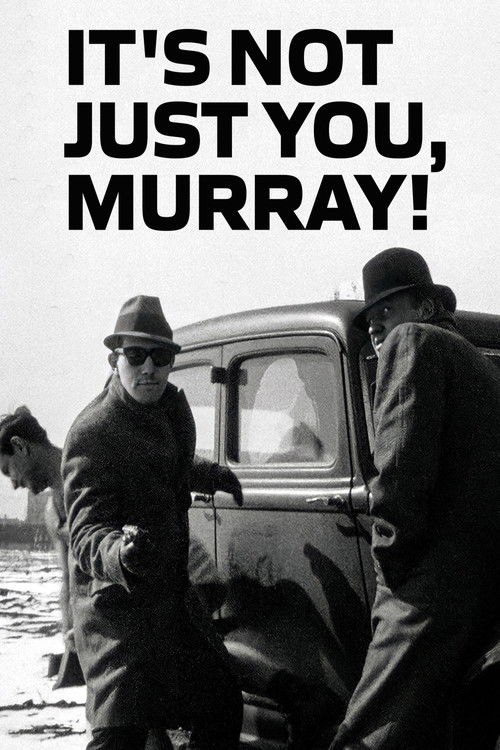
It's Not Just You, Murray! 1964
Martin Scorsese's debut short film, *It's Not Just You, Murray!* (1964), delivers a razor-sharp dark comedy steeped in the grit and glamour of mid-century organized crime.
Director: Martin Scorsese
Cast

Frequently Asked Questions
What is It's Not Just You, Murray! (1964) about?
The film follows Murray, a mid-century mobster who reflects on his career rise, believing his best friend Joe is the architect of his success. But Murray's rose-tinted memories hide a harsh truth: Joe has been undermining him at every turn, both in business and personally.
Who directed It's Not Just You, Murray!?
Martin Scorsese directed *It's Not Just You, Murray!* (1964), marking one of his earliest filmmaking efforts.
Who stars in It's Not Just You, Murray!?
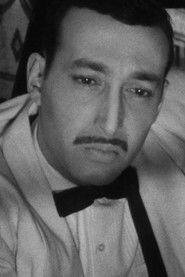
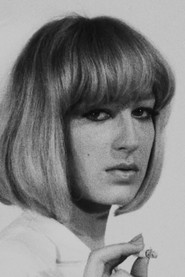
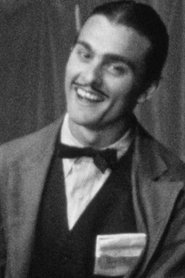
The cast features Ira Rubin as Murray, Sam DeFazio as Joe, and Catherine Scorsese, with Andrea Martin, Robert Uricola, and Bernard Weisberger rounding out the ensemble.
Is It's Not Just You, Murray! (1964) worth watching?
Though unrated on IMDb, this 17-minute short film is a fascinating time capsule for Scorsese fans and noir enthusiasts. Its blend of dark humor, moral complexity, and Scorsese's signature storytelling makes it a compelling watch for those interested in his early work.
How long is It's Not Just You, Murray!?
The film runs for 17 minutes, offering a sharp, concise story packed with Scorsese's signature style.
About It's Not Just You, Murray! (1964) — Scorsese's Dark Comedy of Betrayal and Denial
Martin Scorsese's debut short film, *It's Not Just You, Murray!* (1964), delivers a razor-sharp dark comedy steeped in the grit and glamour of mid-century organized crime. The story follows Murray, a seasoned mobster looking back on his rise from humble bootlegger to wealthy kingpin, convinced his lifelong friend Joe is the reason for his success. What Murray doesn't realize is that Joe has been playing a double game—betraying him in business and even in love, all while hiding his true loyalties. Scorsese's early cinematic voice shines through in the film's tense pacing and moral ambiguity, blending humor with the uneasy thrill of deception.
Set against the neon-lit backdrop of 1960s mob culture, the short captures the tension between loyalty and self-interest with a biting wit that feels ahead of its time. Murray's nostalgic reflections contrast sharply with the cold reality of Joe's treachery, creating a story that's as much about denial as it is about betrayal.