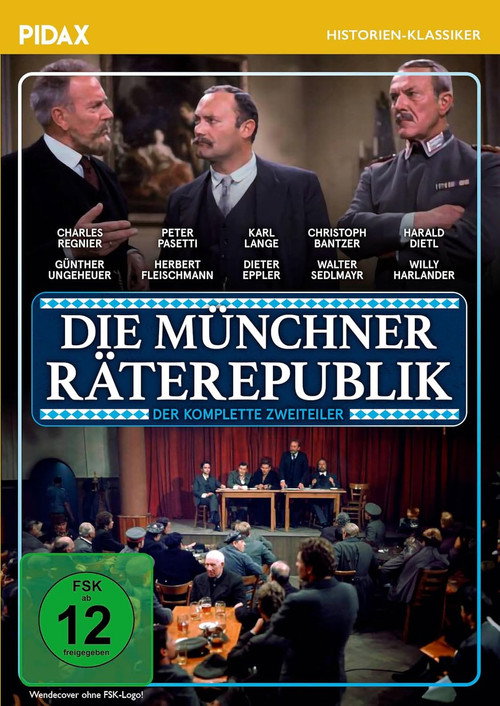
Die Münchner Räterepublik 1971
Helmut Ashley's *Die Münchner Räterepublik* (1971) plunges viewers into the turbulent aftermath of World War I, spotlighting the chaotic days of Bavaria's short-lived socialist republic.
Director: Helmut Ashley
Cast




Frequently Asked Questions
What is Die Münchner Räterepublik (1971) about?
This film dramatizes the 1919 Bavarian Soviet Republic, a brief but intense period of socialist rule in Munich. It follows the struggles of revolutionaries, moderates, and counter-revolutionaries as their ideals clash against harsh realities. The story highlights the human drama behind one of Germany's most turbulent political experiments.
Who directed Die Münchner Räterepublik?
Helmut Ashley, a German director known for his work in historical and political dramas, helmed *Die Münchner Räterepublik*.
Who stars in Die Münchner Räterepublik?
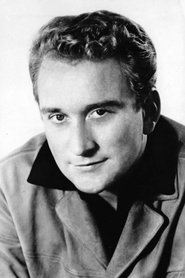
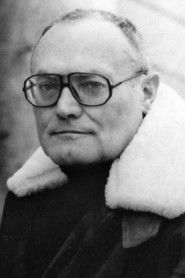
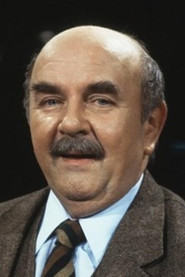
The film features Charles Regnier, Peter Pasetti, Carl Lange, Christoph Bantzer, and Harald Dietl in central roles.
Is Die Münchner Räterepublik (1971) worth watching?
As a historical drama, it's a solid choice for viewers interested in Germany's revolutionary past. While it may lack the polish of modern productions, its raw intensity and historical significance make it a compelling watch, especially for fans of period pieces and political narratives.
How long is Die Münchner Räterepublik?
Runtime details are not listed.
About Die Münchner Räterepublik (1971) — A Historical Drama of Revolution and Ideals
Helmut Ashley's *Die Münchner Räterepublik* (1971) plunges viewers into the turbulent aftermath of World War I, spotlighting the chaotic days of Bavaria's short-lived socialist republic. Against the backdrop of revolution and political upheaval, the film weaves a gripping narrative of idealism and betrayal, exploring the fragile balance between power and principle. With a stark, documentary-style approach, Ashley crafts an atmospheric study of a society in flux, where ordinary citizens grapple with the weight of history.
The cast, led by Charles Regnier, Peter Pasetti, and Carl Lange, delivers performances steeped in the era's tension, embodying the emotional and ideological divides of the time. As the Räterepublik's experiment in self-governance collapses amid internal strife, the film captures the fragility of revolutionary movements and the human cost of political failure. A compelling slice of German history, it offers a window into a pivotal moment that shaped the country's future.