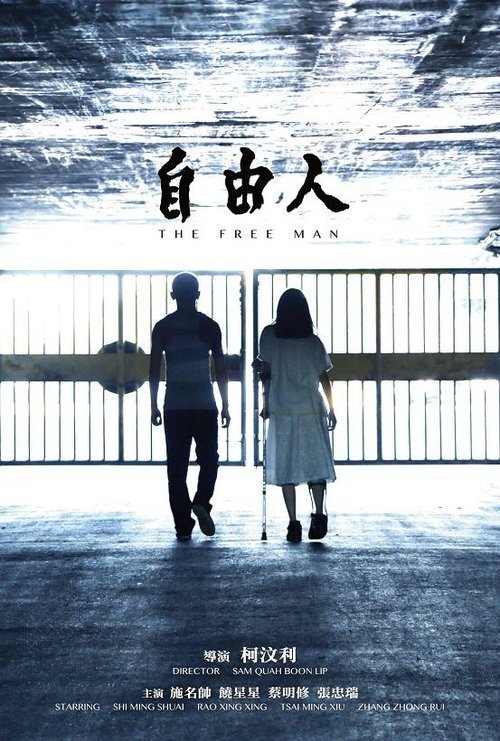
The Free Man 2014
In Sam Quah's poignant 2014 drama *The Free Man*, an ex-convict struggles to leave his past behind as he takes a job at a modest laundry store. There, he crosses paths with a resilient young woman who uses a wheelchair, hired to assist in the shop's daily operations.
Director: Sam Quah
Cast



Frequently Asked Questions
What is The Free Man (2014) about?
The film follows an ex-con trying to rebuild his life by working at a laundry store, where he meets a young woman with a physical disability also seeking purpose. Together, they challenge societal expectations and explore whether true second chances exist.
Who directed The Free Man?
Sam Quah directed *The Free Man* (2014), bringing a delicate touch to this intimate drama about second chances.
Who stars in The Free Man?
The film features Shih Ming-shuai, Tsai Ming-shiou, Zhang Zong Rui, and Cincin Jao in lead roles.
Is The Free Man (2014) worth watching?
While *The Free Man* is an unrated short drama, its themes of redemption and human connection make it a compelling watch for fans of character-driven stories. The low-key storytelling and strong performances elevate it beyond typical indie fare.
How long is The Free Man?
*The Free Man* (2014) has a runtime of 30 minutes.
About The Free Man (2014) — A drama of redemption and connection beyond labels
In Sam Quah's poignant 2014 drama *The Free Man*, an ex-convict struggles to leave his past behind as he takes a job at a modest laundry store. There, he crosses paths with a resilient young woman who uses a wheelchair, hired to assist in the shop's daily operations. Their shared journey of finding purpose and acceptance unfolds against the backdrop of everyday struggles, testing how far society—and they themselves—are willing to look beyond labels.
The film weaves themes of redemption, resilience, and unspoken connection into a quietly powerful story. With minimal dialogue, Quah crafts an atmosphere of quiet reflection, where small acts of kindness become moments of profound change. *The Free Man* (2014) shines a light on the unseen battles of those rebuilding their lives, asking whether second chances are truly possible—or even desired—in a world quick to judge.