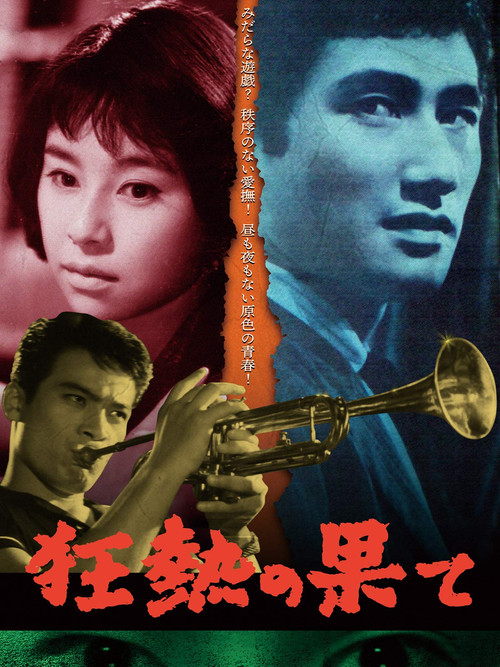
The End of Love 1961
The End of Love (1961) is a thought-provoking film that explores the disillusionment and nihilism of Japan's postwar generation.
Director: Eizō Yamagiwa
Cast






Frequently Asked Questions
What is The End of Love (1961) about?
The End of Love (1961) follows the lives of a group of bourgeois students known as the 'Roppongi Tribe' as they navigate the challenges of growing up in postwar Japan. The film explores themes of disillusionment, nihilism, and the search for meaning in a rapidly changing world. Through its character-driven narrative, The End of Love (1961) presents a nuanced portrait of a generation struggling to find its place.
Who directed The End of Love?
The End of Love (1961) was directed by Eizō Yamagiwa, a leading postwar Japanese film critic and theorist who made his directorial debut with this independent feature.
Who stars in The End of Love?
The main cast of The End of Love (1961) includes Kōji Matsubara, Mitsuko Sawamura, and Terumi Hoshi, among others.
Is The End of Love (1961) worth watching?
Despite being unrated on IMDb, The End of Love (1961) is a thought-provoking and nuanced film that offers a unique glimpse into Japan's postwar generation. With its character-driven narrative and exploration of universal themes, this movie is sure to resonate with audiences interested in Japanese cinema and character-driven storytelling.
How long is The End of Love?
The End of Love (1961) has a runtime of 78 minutes.
About The End of Love (1961) — Rediscovering a Japanese Cinema Classic
The End of Love (1961) is a thought-provoking film that explores the disillusionment and nihilism of Japan's postwar generation. Directed by Eizō Yamagiwa, this independent feature delves into the lives of the 'Roppongi Tribe', a group of idle bourgeois students struggling to find their place in the world. With a cast including Kōji Matsubara, Mitsuko Sawamura, and Terumi Hoshi, The End of Love (1961) presents a poignant coming-of-age narrative that captures the atmosphere of resignation and discontent in the years following the Anpo Treaty conflicts.
The film's themes of existential crisis and social disaffection are timeless and universal, making The End of Love (1961) a compelling watch for audiences interested in Japanese cinema and the country's tumultuous postwar period. Although the genres are unknown, the movie's focus on character-driven drama and social commentary provides a glimpse into the complexities of human relationships and the search for meaning in a rapidly changing world.
As a rare and recently rediscovered film, The End of Love (1961) offers a unique opportunity to experience a pivotal moment in Japanese cinematic history. With its nuanced exploration of the human condition, this movie is sure to resonate with viewers who appreciate thoughtful, character-driven storytelling.