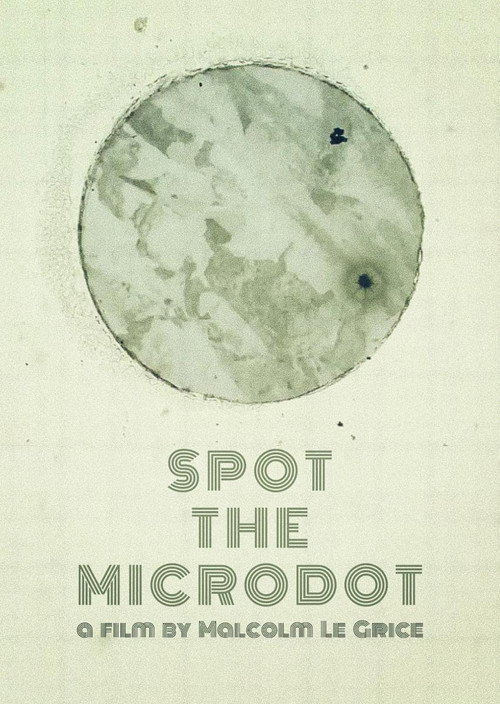
Spot the Microdot 1969
"An unprintable film, handmade by punching holes into an opaque 16mm strip."
Spot the Microdot (1969) stands as one of the most experimental works in British avant-garde cinema, crafted by visionary director Malcolm Le Grice. This unique animation challenges traditional filmmaking conventions through its radical hands-on approach.
Director: Malcolm Le Grice
Frequently Asked Questions
What is Spot the Microdot (1969) about?
This experimental animation explores the fundamental materiality of film through a process of deliberate physical manipulation. Created by punching holes into opaque 16mm stock and inserting colored film discs, it transforms cinema into a sculptural experience that prioritizes form and texture over traditional narrative structure.
Who directed Spot the Microdot?
The film was directed by Malcolm Le Grice, a pioneering figure in British avant-garde cinema known for his radical rejection of conventional filmmaking techniques and exploration of film's material properties.
Who stars in Spot the Microdot?
Cast information for this experimental short is not available, as the film focuses entirely on its unique visual technique rather than featuring traditional performers.
Is Spot the Microdot (1969) worth watching?
For viewers interested in experimental cinema and film history, this 10-minute work offers a fascinating glimpse into radical 1960s filmmaking techniques. Its unrated status reflects its niche appeal, but as an animation exploring medium-specific possibilities, it provides valuable insight into avant-garde artistic approaches.
How long is Spot the Microdot?
The film runs for approximately 10 minutes.
Spot the Microdot (1969): Experimental Animation Crafted Through Physical Film Manipulation
Spot the Microdot (1969) stands as one of the most experimental works in British avant-garde cinema, crafted by visionary director Malcolm Le Grice. This unique animation challenges traditional filmmaking conventions through its radical hands-on approach. Rather than telling a conventional story, the film strips away narrative illusion to reveal the raw physical essence of cinema itself.
Created by literally punching circular holes through opaque 16mm film stock and inserting colored film discs into select openings, this 10-minute piece transforms celluloid into a sculptural medium. Each frame becomes a deliberate act of destruction and creation, where light passes through handmade perforations to create shifting patterns of color and shadow. The result is a mesmerizing dance of geometric abstractions that celebrates the material properties of film over manufactured reality.
This unprintable artifact exists only as its singular original copy, making public screenings exceptionally rare events. As with Le Grice's other groundbreaking works from the late 1960s, Spot the Microdot represents a conscious rejection of mainstream illusionism in favor of pure cinematic exploration. The film's fleeting, ethereal quality emerges from its fragile physical construction, creating an intimate viewing experience that exists at the intersection of sculpture, performance, and experimental cinema.