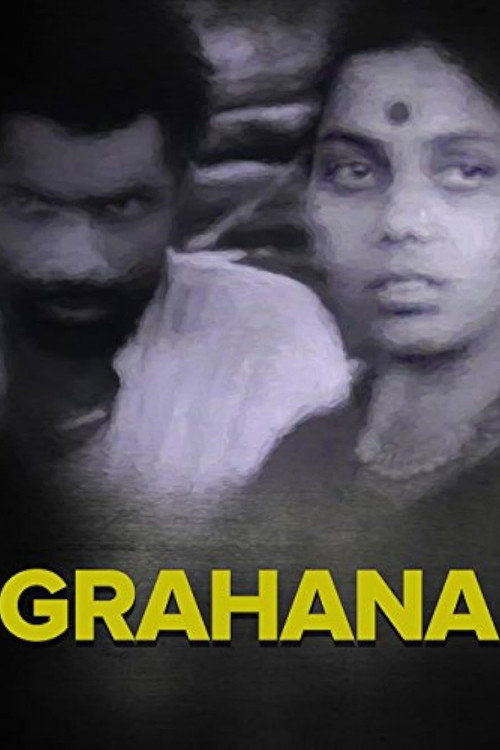
Grahana 1978
"The Eclipse"
Grahana (1978), directed by the visionary T. S. Nagabharana, plunges viewers into the heart of a haunting South Indian village ritual where tradition clashes with humanity.
Director: T. S. Nagabharana
Cast
Frequently Asked Questions
What is Grahana (1978) about?
Grahana follows a disturbing annual village tradition where six untouchables are forced to play high-caste roles for two weeks, enduring harsh purification rituals. The film explores the psychological and social toll of this practice against the backdrop of a village steeped in history and superstition.
Who directed Grahana?
Grahana was directed by T. S. Nagabharana, a filmmaker known for his socially conscious storytelling and deep exploration of Indian cultural themes.
Who stars in Grahana?
The film features Ananad Pericharan, G.K. Govinda Rao, Malathi Rao, and B.S. Achar in pivotal roles, bringing depth to its historical and dramatic narrative.
Is Grahana (1978) worth watching?
Though unrated on IMDb, Grahana stands out as a thought-provoking drama that challenges viewers with its unflinching portrayal of caste and ritual. Its historical setting and thematic depth make it a compelling watch for fans of serious cinema, even if it's not for those seeking light entertainment.
How long is Grahana?
Grahana runs for 121 minutes, offering a tightly woven exploration of its central themes.
About Grahana (1978) — A Stark Drama of Ritual and Resistance
Grahana (1978), directed by the visionary T. S. Nagabharana, plunges viewers into the heart of a haunting South Indian village ritual where tradition clashes with humanity.
Every year, six untouchables are reluctantly selected to embody high-caste roles for two weeks, subjected to grueling purification rituals that test both their endurance and dignity. As the eclipse casts its shadow over their lives, Nagabharana crafts a powerful drama steeped in history and social struggle. The film's stark atmosphere—tinged with tension and sorrow—lingers long after the credits roll, probing themes of identity, oppression, and the fragile boundaries of caste in rural India.