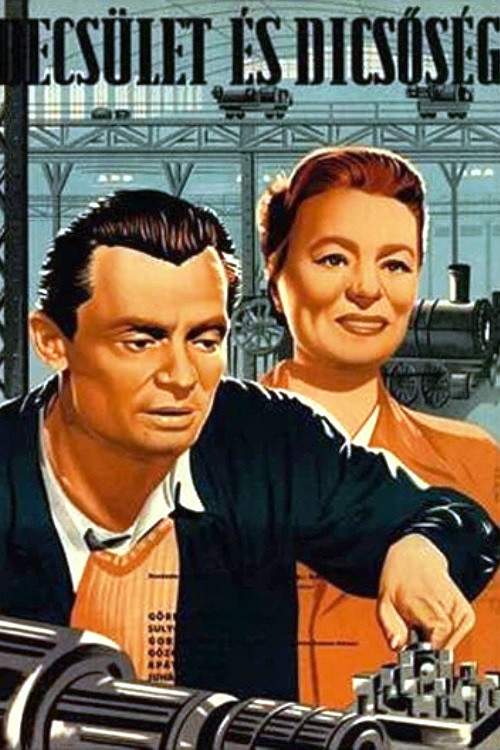
Honour and Glory 1951
In the gritty post-war Budapest of 1951, *Honour and Glory* shines a light on workplace tensions and unspoken resentments in communist-era Hungary.
Director: Viktor Gertler
Cast

Frequently Asked Questions
What is *Honour and Glory* (1951) about?
*Honour and Glory* follows János Lugosi, a disgruntled factory worker whose life takes a chaotic turn when his wife's career success exposes his own overlooked talents. His mounting frustrations lead to an unexpected brush with scandal that tests the limits of his patience and integrity.
Who directed *Honour and Glory*?
*Honour and Glory* was directed by Viktor Gertler, a Hungarian filmmaker known for blending social commentary with lighthearted storytelling.
Who stars in *Honour and Glory*?
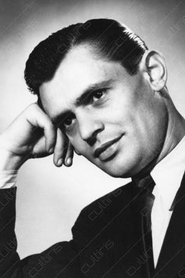
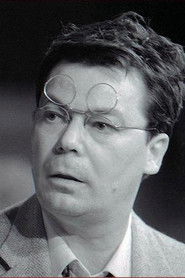
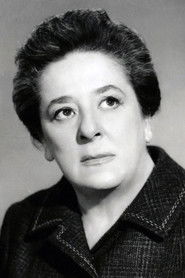
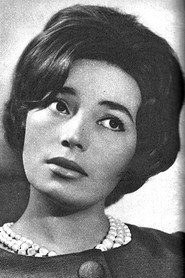
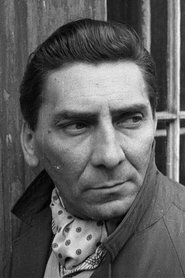
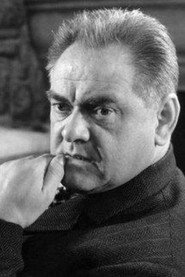
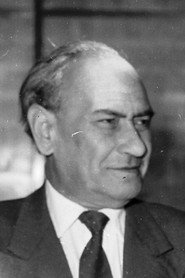
The film features a talented ensemble cast including János Görbe as the lead, alongside Mária Sulyok, István Szatmári, and Hilda Gobbi in pivotal roles.
Is *Honour and Glory* (1951) worth watching?
While *Honour and Glory* lacks an IMDb rating for comparison, its unique blend of comedy and social critique—anchored by strong performances—makes it a compelling watch for fans of vintage European cinema with deeper themes.
How long is *Honour and Glory*?
The runtime for *Honour and Glory* is 107 minutes.
About Honour and Glory (1951) — A Hungarian Comedy About Workplace Woes and Unfair Advantages
In the gritty post-war Budapest of 1951, *Honour and Glory* shines a light on workplace tensions and unspoken resentments in communist-era Hungary. Directed by Viktor Gertler, this comedy-musical follows János Lugosi, a humble locomotive factory worker whose quiet life unravels when his wife's tractor factory innovation earns recognition—while his own contributions go overlooked. The resulting friction spirals into absurdity when Lugosi finds himself entangled in a sabotage scandal he didn't commit.
Beneath the film's lighthearted sheen lies a sharp critique of social hierarchies and the pressure to conform in a rigidly structured society. With János Görbe delivering a standout performance as the beleaguered protagonist, *Honour and Glory (1951)* blends sharp wit with an undercurrent of melancholy, capturing the absurdity of everyday struggles against institutional indifference.