My Hobo 1962
My Hobo (1962), a heartfelt comedy directed by Zenzō Matsuyama, follows three unlikely survivors navigating 1960s Japan with wit and warmth.
Director: Zenzō Matsuyama
Cast



Frequently Asked Questions
What is My Hobo (1962) about?
My Hobo (1962) follows a clever drifter, a woman using post-war hardships to her advantage, and two orphans who unexpectedly unite as an unconventional family. Their bond forms when survival depends on trust—and a few creative lies.
Who directed My Hobo?
Zenzō Matsuyama directed My Hobo, bringing a sharp eye for both comedy and social nuance to this 1960s Japanese classic.
Who stars in My Hobo?
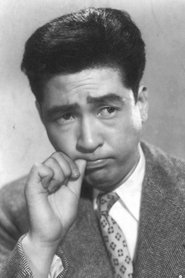
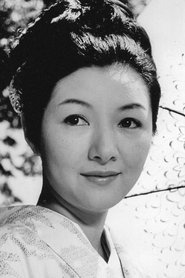
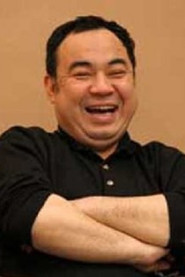
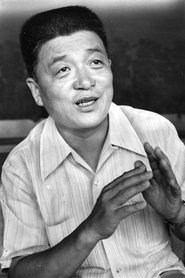
The film stars Keiju Kobayashi as the hobo, Hideko Takamine as the resourceful con woman, and Reiko Dan as their spirited accomplice, supported by Norihei Miki and Yoshinobu Kaneko.
Is My Hobo (1962) worth watching?
As a 1960s Japanese comedy with heart and humor, My Hobo offers more than just nostalgia—its themes of resilience and found family resonate today. While not widely known, fans of classic cinema will appreciate its charm and Matsuyama's direction.
How long is My Hobo?
My Hobo runs for 98 minutes, a brisk runtime perfect for its fast-paced humor and engaging story.
About My Hobo (1962) — A Quirky Comedy About Found Family and Survival
My Hobo (1962), a heartfelt comedy directed by Zenzō Matsuyama, follows three unlikely survivors navigating 1960s Japan with wit and warmth. Keiju Kobayashi stars as a quick-thinking drifter, Hideko Takamine as a woman craftily exploiting post-war trauma, and Reiko Dan as their spirited accomplice—two orphaned children join their unconventional clan, forming an oddball family bound by necessity rather than blood. Set against a backdrop of reconstruction and resilience, the film blends sharp humor with poignant social commentary, painting a vivid portrait of human resilience in unexpected places.
Matsuyama's direction balances lighthearted moments with subtle critiques of societal struggles, while Kobayashi and Takamine's chemistry anchors the story's emotional core. The movie's quirky premise—where deception meets heartfelt connection—creates a uniquely Japanese take on found family, wrapped in the charm of classic comedy tropes.