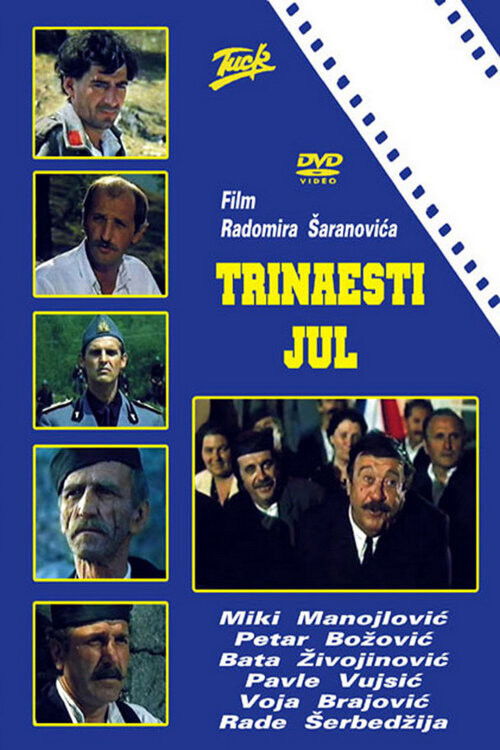
July 13th 1982
Set against the rugged backdrop of World War II-era Montenegro, *July 13th (1982)* captures the raw determination of a people rising against fascist occupation.
Director: Radomir Šaranović
Cast


Frequently Asked Questions
What is *July 13th* (1982) about?
*July 13th* dramatizes the 1941 Montenegrin uprising against Italian fascist occupiers and their puppet regime. The film centers on the spontaneous rebellion led by local Communists, blending personal struggles with the collective fight for liberation after Yugoslavia's defeat in World War II.
Who directed *July 13th*?
*July 13th* was directed by Radomir Šaranović, a filmmaker known for his work in Yugoslav cinema.
Who stars in *July 13th*?
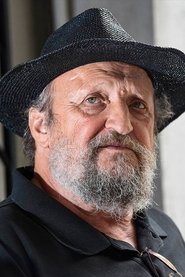
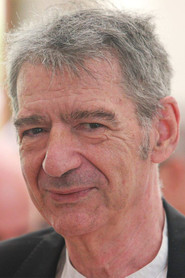
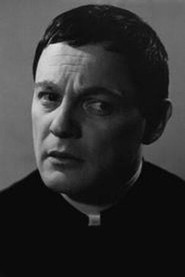
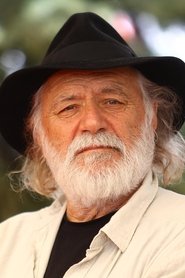
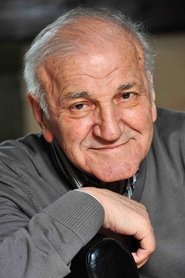
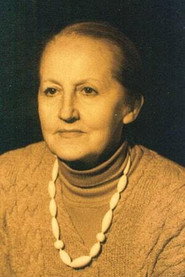
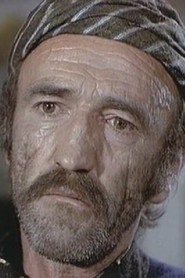
The film features Petar Božović, Predrag 'Miki' Manojlović, Petar Banićević, Rade Šerbedžija, and Velimir Živojinović in key roles as Montenegrin rebels and civilians.
Is *July 13th* (1982) worth watching?
For fans of historical war dramas, *July 13th* offers a gripping portrayal of resistance and sacrifice. While lacking a modern IMDb rating, its themes of defiance and patriotism make it a compelling watch for those interested in WWII resistance films.
How long is *July 13th*?
*July 13th* has a runtime of 110 minutes.
About July 13th (1982) — The Montenegrin Uprising That Changed History
Set against the rugged backdrop of World War II-era Montenegro, *July 13th (1982)* captures the raw determination of a people rising against fascist occupation. Directed by Radomir Šaranović, this war drama traces the pivotal events of July 13, 1941, when Montenegrin civilians, led by local Communists, defied Italian-backed puppet authorities to spark a courageous rebellion. The film blends historical weight with intimate character drama, showcasing Petar Božović, Predrag 'Miki' Manojlović, and Rade Šerbedžija in standout roles as they navigate the tension between survival and defiance. With its gritty realism and emotional depth, the movie immerses viewers in a pivotal chapter of resistance, where personal stakes collide with the fight for national freedom.
In the wake of Yugoslavia's 1941 surrender, Montenegro's occupation ignited a spark of hope among the oppressed. *July 13th* doesn't just recount history—it breathes life into the courage of ordinary citizens who chose to fight back. The film's stark visuals and powerful performances underscore the cost of freedom while celebrating the unbreakable spirit of those who dared to challenge tyranny.