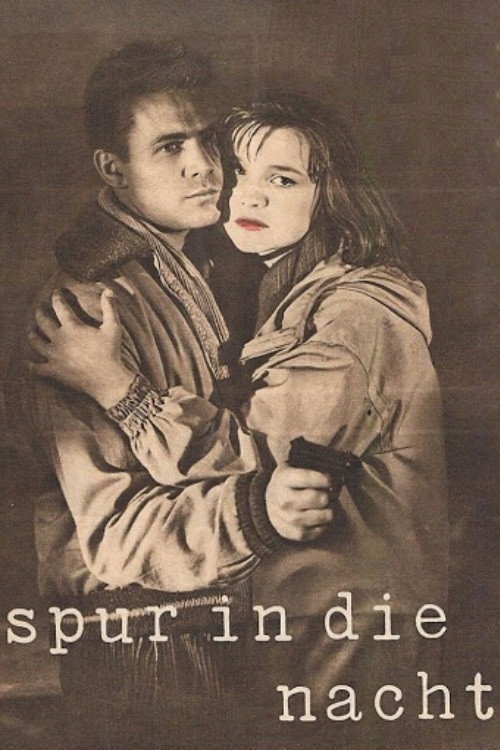
The Track in the Night 1957
Directed by Günter Reisch, *The Track in the Night* (1957) weaves a tense Cold War-era drama around a missing woman in the rugged Zittau Mountains near the Czechoslovakian border.
Director: Günter Reisch
Cast



Frequently Asked Questions
What is The Track in the Night (1957) about?
A bricklayer travels to a remote village after receiving an urgent letter from his girlfriend, only to find she's vanished without a trace. His search uncovers unsettling clues, leading him deeper into a world of secrets and Cold War-era intrigue.
Who directed The Track in the Night?
The film was directed by Günter Reisch, a prominent figure in East German cinema known for blending social realism with suspenseful narratives.
Who stars in The Track in the Night?
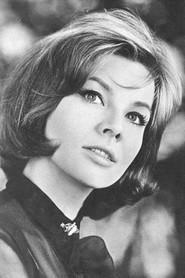
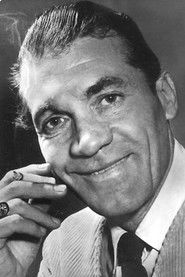
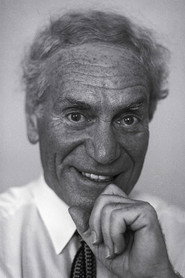
The film features Ulrich Thein as Ulli, Eva-Maria Hagen as Sabine, Annekathrin Bürger, Raimund Schelcher, and Uwe-Jens Pape in key roles.
Is The Track in the Night (1957) worth watching?
As a 1950s East German crime drama, it offers a gripping blend of suspense and historical atmosphere, though its pacing may feel dated to modern viewers. Fans of Cold War-era mysteries will find its themes compelling.
How long is The Track in the Night?
The runtime is 90 minutes.
The Track in the Night (1957) — A Cold War Mystery in the East German Countryside
Directed by Günter Reisch, *The Track in the Night* (1957) weaves a tense Cold War-era drama around a missing woman in the rugged Zittau Mountains near the Czechoslovakian border. A bricklayer named Ulli arrives in a remote village after receiving an urgent letter from his girlfriend Sabine, but she never shows at the train station. With no answers, he searches her inn room and uncovers signs of a hasty departure. As local suspicions rise and his uncertainty deepens, Ulli navigates a labyrinth of secrets, where every shadowy path and whispered conversation could lead to revelation—or danger. This East German crime drama blends suspense with the eerie beauty of its snowy mountain setting, creating a haunting exploration of trust and deception.
Reisch crafts a mood of quiet urgency, where the isolation of the mountains mirrors the emotional distance between Ulli and Sabine. The film's themes of Cold War tension, loyalty, and the weight of unanswered questions linger long after the final scene, making it a standout in 1950s German cinema.