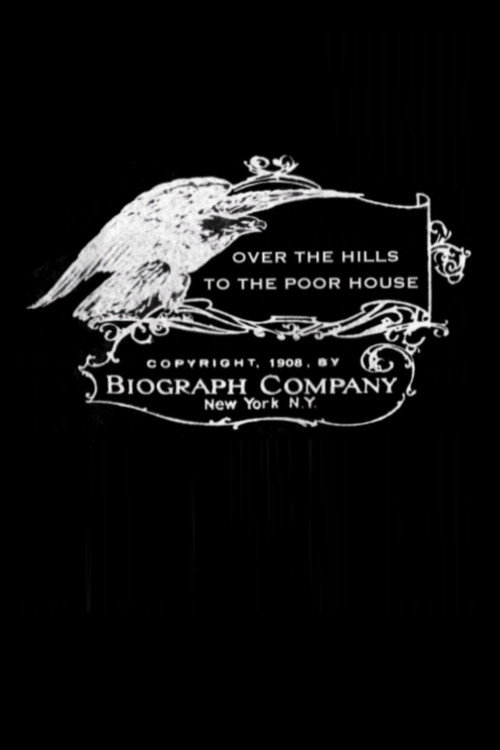
Over the Hills to the Poor House 1908
In the silent-era short drama *Over the Hills to the Poor House* (1908), directed by Stanner E.V. Taylor, an elderly widow divides her estate among her three children, trusting they'll care for her in return.
Director: Stanner E.V. Taylor
Cast
Frequently Asked Questions
What is Over the Hills to the Poor House (1908) about?
This 1908 silent drama follows an elderly widow who divides her property among her children, expecting them to provide for her. Instead, her youngest son, Charles, inherits the least and finds himself homeless, forcing him to confront the harsh realities of poverty and familial neglect.
Who directed Over the Hills to the Poor House?
The film was directed by Stanner E.V. Taylor, a prolific early filmmaker known for shaping silent cinema's narrative techniques.
Who stars in Over the Hills to the Poor House?
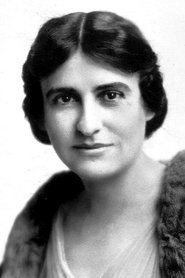
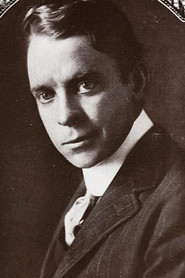
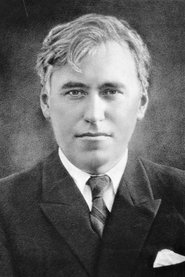
The cast includes Florence Auer, Edward Dillon, Wallace McCutcheon Jr., Anthony O'Sullivan, and Mack Sennett, with standout roles for the era's leading actors.
Is Over the Hills to the Poor House (1908) worth watching?
While short and unrated, this silent-era drama offers a rare glimpse into early filmmaking's emotional depth. Fans of historical cinema or social themes may appreciate its poignant story, though its pacing and style won't match modern films.
How long is Over the Hills to the Poor House?
The film runs for 12 minutes, a typical length for early silent shorts of the era.
🎥 Trailer
About Over the Hills to the Poor House (1908) — A Silent-Era Drama of Family, Poverty, and Unfulfilled Promises
In the silent-era short drama *Over the Hills to the Poor House* (1908), directed by Stanner E.V. Taylor, an elderly widow divides her estate among her three children, trusting they'll care for her in return. Her youngest son, Charles, inherits the smallest share, assuming his siblings will welcome their mother—only to find himself unexpectedly homeless. Shot in just 12 minutes, this poignant early film explores themes of family obligation, gratitude, and the harsh realities of aging with minimal resources. The quiet intensity of the performances, led by Florence Auer and Edward Dillon, contrasts with the era's typical slapstick fare, delivering a slice-of-life drama that lingers long after the credits roll.
Few silent films tackle economic hardship with such delicate realism. The story unfolds with a restrained emotional weight, highlighting how even well-intentioned decisions can spiral into unintended consequences. As Charles navigates his newfound poverty, the film subtly critiques societal indifference toward the elderly, wrapping its social commentary in a deceptively simple narrative.