Behind the Scenes: Where All Is Not Gold That Glitters 1908
Directed by D.W. Griffith in 1908, *Behind the Scenes: Where All Is Not Gold That Glitters* is a poignant early silent drama that weaves maternal sacrifice into a stark narrative of hardship and heartbreak.
Director: D.W. Griffith
Cast
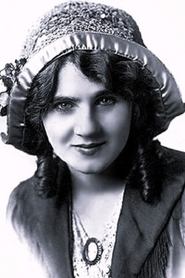
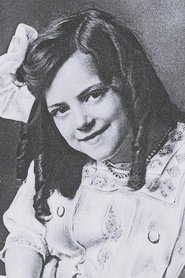
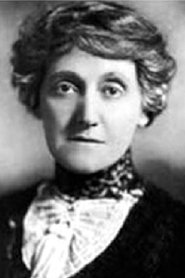
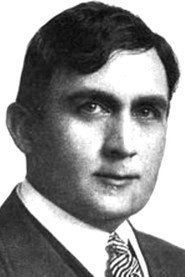
Frequently Asked Questions
What is *Behind the Scenes: Where All Is Not Gold That Glitters* (1908) about?
The film portrays a mother forced to work as a dancer to support her ill daughter. When she has a chilling vision of the child's death during a performance, she rushes home only to arrive too late, leaving her grief as the final image.
Who directed *Behind the Scenes: Where All Is Not Gold That Glitters*?
The film was directed by D.W. Griffith, a pioneer of early cinema whose work shaped the language of silent film storytelling.
Who stars in *Behind the Scenes: Where All Is Not Gold That Glitters*?
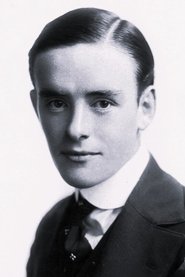
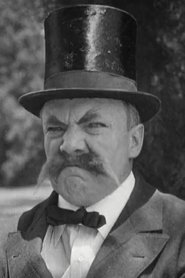
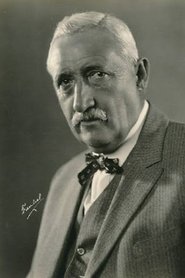
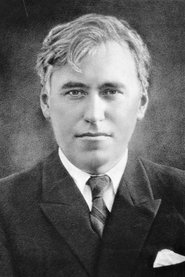
The cast features Florence Lawrence, Gladys Egan, Kate Bruce, George Gebhardt, and Robert Harron in pivotal roles.
Is *Behind the Scenes: Where All Is Not Gold That Glitters* (1908) worth watching?
Despite its short runtime and silent-era constraints, the film's emotional depth and Griffith's directorial prowess make it a fascinating watch for fans of early cinema and dramatic storytelling.
How long is *Behind the Scenes: Where All Is Not Gold That Glitters*?
The film has a runtime of 9 minutes.
Behind the Scenes: Where All Is Not Gold That Glitters (1908) — How Griffith's Silent Drama Stuns in Just 9 Minutes
Directed by D.W. Griffith in 1908, *Behind the Scenes: Where All Is Not Gold That Glitters* is a poignant early silent drama that weaves maternal sacrifice into a stark narrative of hardship and heartbreak. The film follows a mother who dances nightly to support her ailing daughter, only to endure a devastating premonition during a performance that propels her on a desperate, grief-stricken race home. Griffith's signature visual storytelling lends the 9-minute short a haunting intensity, capturing the raw emotional toll of poverty and the fragility of hope in an unforgiving world.
Starring silent-era icons Florence Lawrence and Gladys Egan, the cast brings a delicate balance of sorrow and resilience to the screen, anchoring a tale that transcends its brief runtime. Themes of sacrifice, guilt, and the harsh realities of early 20th-century life permeate the film, leaving audiences with a lingering sense of unease and empathy. With its minimalist yet evocative approach, this Griffith masterpiece remains a compelling slice of cinema history worth revisiting.