Okeanos 1972
Dive into the enigmatic world of *Okeanos (1972)*, a short film directed by Myron Ort that stands as a fascinating artifact of early experimental cinema.
Director: Myron Ort
Frequently Asked Questions
What is Okeanos (1972) about?
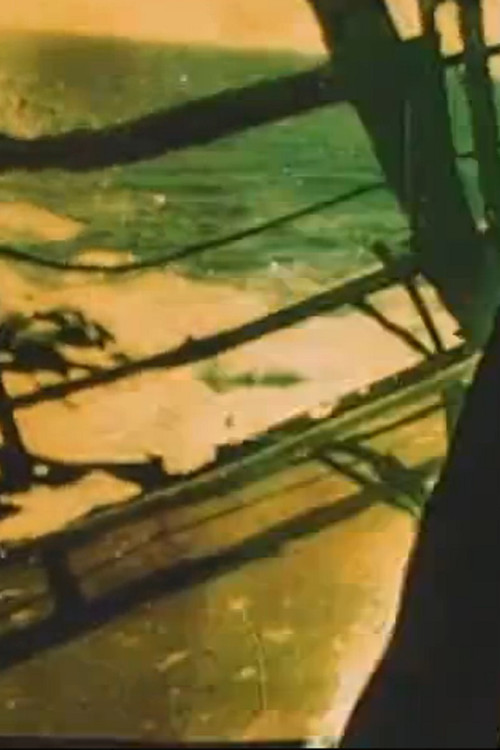
Okeanos (1972) offers a rare look at the unprocessed A-roll footage of an early experimental film, captured before the final editing, color correction, and hand-painting techniques were applied. It's a fleeting moment of raw cinema, stripped of embellishment, where the director's vision exists in its most unfiltered state.
Who directed Okeanos?
Myron Ort directed Okeanos (1972). Known for pushing boundaries in experimental filmmaking, Ort's work often explores the intersection of technology and artistic expression, though details about this particular project remain scarce.
Who stars in Okeanos?
Cast information for Okeanos (1972) is not available, as the film focuses more on visual experimentation than traditional performances.
Is Okeanos (1972) worth watching?
While Okeanos (1972) lacks the polish of a finished film, its raw aesthetic and historical significance make it a compelling watch for fans of experimental cinema. Its 33-minute runtime and unadorned style may not appeal to everyone, but it's a fascinating piece of film history worth exploring.
How long is Okeanos?
Okeanos (1972) runs for 33 minutes, offering a brief but impactful experience.
About Okeanos (1972) — The Untold Story Behind the Raw Footage
Dive into the enigmatic world of *Okeanos (1972)*, a short film directed by Myron Ort that stands as a fascinating artifact of early experimental cinema. Shot in 33 minutes of raw, unpolished A-roll footage, this pre-reversal wet-gate print captures a fleeting moment suspended between raw material and art. Before the magic of hand-painting and advanced printing techniques transformed it, the film existed as a stark, unfiltered snapshot of creative intent, offering a behind-the-scenes glimpse into the alchemy of filmmaking. Its minimalist structure and unadorned aesthetic invite viewers to ponder the interplay between technology and artistic vision, making it a curiosity for cinephiles and historians alike.
Okeanos (1972) isn't just a film—it's a time capsule of cinematic experimentation, where the director's hands are visible in every frame. The absence of a traditional plot or dialogue shifts the focus to texture, tone, and the unspoken language of visual storytelling. With its raw edges and unrefined beauty, this short film challenges viewers to appreciate the beauty in imperfection and the significance of what comes before the final cut. A must-see for those who celebrate the unsung processes behind the movies we love.