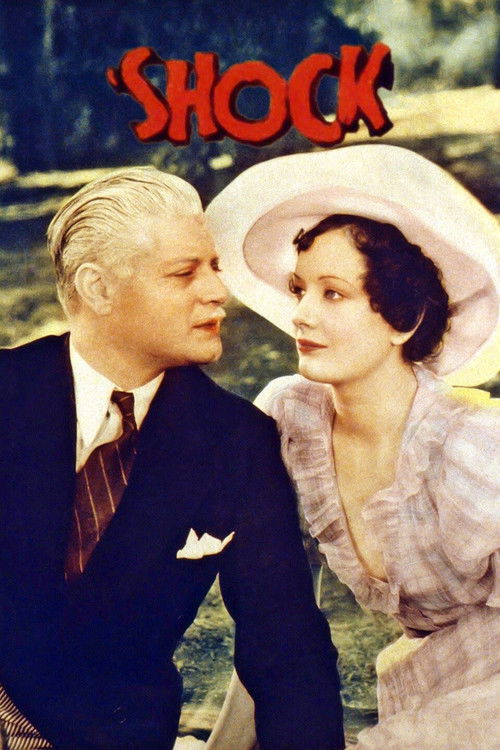
Shock 1934
Set against the grim trenches of World War I, *Shock (1934)* weaves a tense drama of betrayal, fear, and twisted survival.
Director: Roy Pomeroy
Cast





Frequently Asked Questions
What is Shock (1934) about?
This gripping WWI drama centers on two brothers and a rival officer entangled in a web of deceit. After a cowardly act spirals into tragedy, the remaining men stage a desperate plan to hide the truth, only to face their own crumbling morals.
Who directed Shock?
Roy Pomeroy directed *Shock*, bringing his experience in silent-era filmmaking to this early-talkie drama.
Who stars in Shock?
The film features Ralph Forbes, Gwenllian Gill, Monroe Owsley, and Reginald Sharland in pivotal roles.
Is Shock (1934) worth watching?
While unrated on IMDb, *Shock* offers a tight, atmospheric WWI drama with strong performances and a morally complex plot. Fans of vintage war films with psychological depth will find it compelling, though its brevity may leave some wanting more.
How long is Shock?
The film runs for 64 minutes.
About Shock (1934) — A WWI Drama of Lies and Last Chances
Set against the grim trenches of World War I, *Shock (1934)* weaves a tense drama of betrayal, fear, and twisted survival. Directed by Roy Pomeroy, this short but intense film follows Captain Bob Hayworth and his brother Lieutenant Gilroy as they navigate the horrors of war alongside the enigmatic Captain Derek Marbury. Tensions rise when long-buried rivalries resurface over Lucy Neville, the woman Marbury once courted. When Gilroy, paralyzed by cowardice, takes his own life rather than face the front lines, Bob and Derek conspire to fake Bob's death, setting off a chain of deception that blurs the line between heroism and moral collapse.
With its claustrophobic wartime setting and raw emotional stakes, *Shock (1934)* explores the psychological toll of conflict through morally ambiguous characters. Pomeroy's direction infuses the film with a sense of dread, turning a simple patrol mission into a harrowing test of loyalty and identity. Shot in stark black-and-white, the movie captures the era's visual storytelling while delivering a punchy, understated narrative that lingers long after the credits roll.