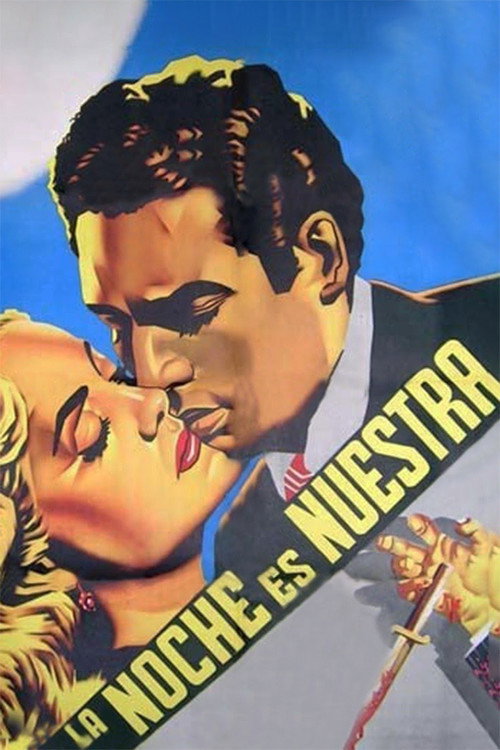
La noche es nuestra 1952
In the atmospheric 1952 drama *La noche es nuestra*, journalist Carlos Mendizábal crosses paths with a mysterious woman whose past is shrouded in sorrow. As he unravels her tragic history, he discovers a world of heartache and resilience hidden beneath her enigmatic exterior.
Director: Fernando A. Rivero
Cast



Frequently Asked Questions
What is La noche es nuestra (1952) about?
This 1952 drama follows a journalist who becomes obsessed with a mysterious woman, only to uncover the layers of sorrow in her past. As he digs deeper, he confronts the harsh realities of her life and the choices that led her to the brink.
Who directed La noche es nuestra?
Fernando A. Rivero directed this emotionally charged drama, known for his ability to craft stories that blend human drama with cinematic atmosphere.
Who stars in La noche es nuestra?
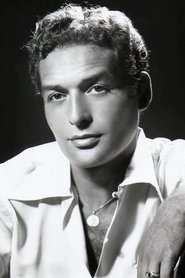
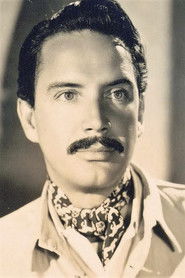
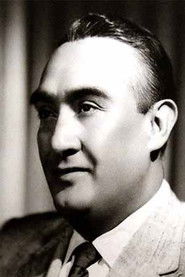
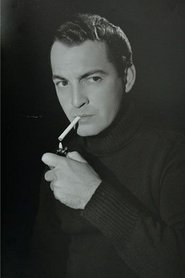
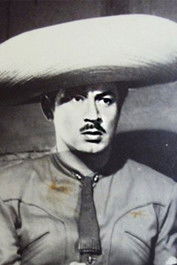
The film stars Jorge Mistral, Emilia Guiú, Ramón Gay, Pedro Vargas, and Toña la Negra, delivering performances that bring depth and authenticity to the story.
Is La noche es nuestra (1952) worth watching?
While IMDb hasn't rated it, *La noche es nuestra* offers a compelling 79-minute dive into classic Mexican drama. Its themes of fate and redemption, paired with strong performances, make it a hidden gem worth exploring for fans of vintage cinema.
How long is La noche es nuestra?
The film runs for 79 minutes.
About La noche es nuestra (1952) — A journalist's journey into a woman's tragic past
In the atmospheric 1952 drama *La noche es nuestra*, journalist Carlos Mendizábal crosses paths with a mysterious woman whose past is shrouded in sorrow. As he unravels her tragic history, he discovers a world of heartache and resilience hidden beneath her enigmatic exterior. Directed by Fernando A. Rivero, this emotionally charged film immerses viewers in a noir-inspired tale where love, loss, and redemption intertwine against the backdrop of a city that never sleeps. With its gripping narrative and powerful performances, *La noche es nuestra (1952)* delves into the shadows of human experience, blending drama with a haunting sense of inevitability.
The chemistry between Jorge Mistral and Emilia Guiú elevates the story, bringing depth to their characters' intertwined fates. The film's moody cinematography and evocative score amplify its themes of fate, sacrifice, and the fleeting nature of hope. As the journalist's quest for truth unfolds, *La noche es nostra* becomes more than a story—it's a journey through the darker corners of the human soul.