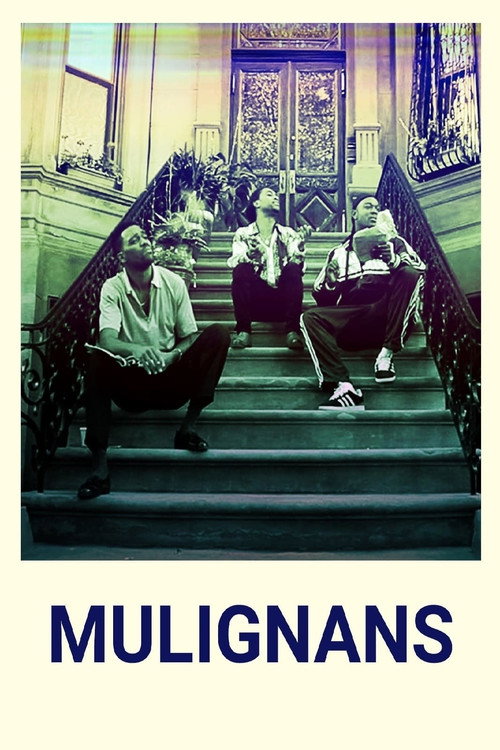
Mulignans 2015
Shaka King's razor-sharp directorial debut *Mulignans (2015)* is a 5-minute comedic short that dives headfirst into the absurdity of cultural stereotypes and linguistic overdrive.
Director: Shaka King
Cast

Frequently Asked Questions
What is Mulignans (2015) about?
*Mulignans* zeroes in on the collision of cultural vernacular and over-the-top caricatures, using rapid-fire dialogue to explore the absurdity of racial stereotypes. The film blends comedy with commentary, stripping back the layers of how language can both empower and distort identity.
Who directed Mulignans?
The film was directed by Shaka King, a filmmaker known for his bold and socially conscious approach to storytelling.
Who stars in Mulignans?
The short film features Shaka King and China Shavers in the lead roles, supported by David Andalman.
Is Mulignans (2015) worth watching?
While *Mulignans* is a niche, 5-minute comedy short, its sharp satire and confident execution make it a cult favorite for those who enjoy boundary-pushing humor. Though unrated on IMDb, the film's audacity and thematic depth stand out in Shaka King's filmography.
How long is Mulignans?
The runtime of *Mulignans* is approximately 5 minutes.
About Mulignans (2015) — How a 5-minute short turns stereotypes into sharp satire
Shaka King's razor-sharp directorial debut *Mulignans (2015)* is a 5-minute comedic short that dives headfirst into the absurdity of cultural stereotypes and linguistic overdrive. The film follows a series of rapid-fire exchanges saturated with exaggerated Italian-American inflections and African-American vernacular, crafting a satirical landscape where identity collides with caricature. King's direction leans into the absurd, using humor as a lens to dissect the way language shapes—and sometimes warps—how we see each other. With a runtime tighter than a joke punchline, the atmosphere crackles with irreverence, balancing crass comedy against a backdrop of social commentary that lingers long after the credits roll.
At its core, *Mulignans* isn't just a farcical jab at stereotypes—it's a mirror held up to the way marginalized voices are co-opted and exaggerated in mainstream culture. The film's brevity is part of its charm, forcing audiences to confront the discomfort of laughter at its own expense. King's casting choices amplify the satire, embedding the dialogue with a rhythm that feels both performative and painfully real. Whether you're in on the joke or left scratching your head, the short lingers as a bold statement on the power—and pitfalls—of representation in comedy.