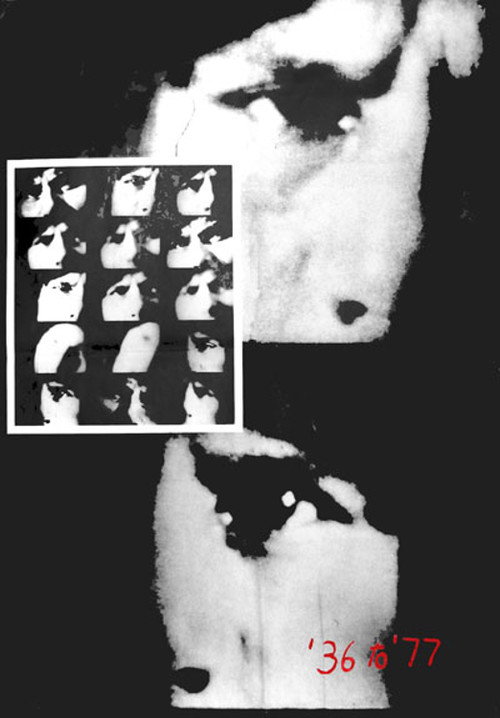
36 to 77 1978
Barely seen since its 1978 debut, the documentary 36 to 77 (1978) offers an intimate, formally daring portrait of Grenada-born activist Myrtle Wardally, who led London's Cleaners' Action Group Strike in 1972.
Frequently Asked Questions
What is 36 to 77 (1978) about?
This 1978 documentary revisits the 1972 Cleaners' Action Group Strike through the eyes of Grenada-born activist Myrtle Wardally, blending personal reflection with a bold critique of representation. It examines her childhood in the Caribbean and her evolving role as a symbol of workers' resistance.
Who directed 36 to 77?
Director information is not available.
Who stars in 36 to 77?
The film centers on Grenada-born activist Myrtle Wardally, a key figure in the 1972 Cleaners' Action Group Strike.
Is 36 to 77 (1978) worth watching?
Though niche, this documentary rewards viewers with its rare blend of political urgency and formal experimentation. Its unflinching look at labor rights and the art of storytelling makes it a standout for fans of activist cinema.
How long is 36 to 77?
The film runs 97 minutes.
About 36 to 77 (1978) — A radical documentary portrait of Myrtle Wardally's labor struggle
Barely seen since its 1978 debut, the documentary 36 to 77 (1978) offers an intimate, formally daring portrait of Grenada-born activist Myrtle Wardally, who led London's Cleaners' Action Group Strike in 1972. Blending archival reflection with bold experiments in film language, it traces her journey from Caribbean childhood to her role as a symbol of workers' resistance, probing the gap between personal memory and political myth. The film captures a charged period in labor history while deconstructing the very idea of heroic representation, wrapping social urgency in a poetic, almost ecstatic visual style.
A rare hybrid of agit-prop and avant-garde cinema, 36 to 77 (1978) is as much about the politics of image-making as it is about one woman's fight for dignity. It lingers on her voice, her gaze, and the textures of the spaces she inhabited, making the personal political long before that phrase entered common parlance. For cinephiles and social historians alike, it's a time capsule that refuses to stay sealed.