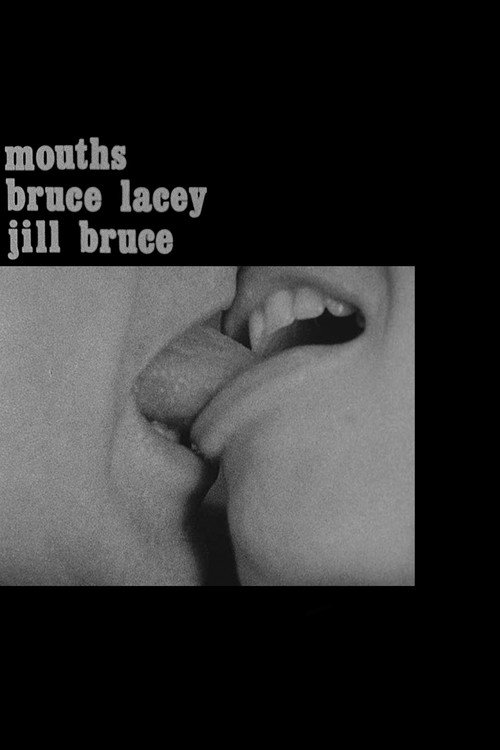
Kissing Film 1967
Kissing Film (1967) offers a fascinating glimpse into mid-century British experimental cinema through the lens of artist and filmmaker Bruce Lacey.
Director: Bruce Lacey
Cast
Frequently Asked Questions
What is Kissing Film (1967) about?
This short documentary by Bruce Lacey explores experimental techniques centered on human interaction and visual abstraction. Rather than a traditional narrative, the film uses close-up imagery and surreal sequences to evoke themes of connection and motion.
Who directed Kissing Film?
Bruce Lacey directed Kissing Film. Known for his avant-garde work and interdisciplinary artistry, Lacey brought a unique vision to this nine-minute documentary.
Who stars in Kissing Film?
The film features Bruce Lacey and Jill Bruce in its credited roles.
Is Kissing Film (1967) worth watching?
As a documentary short, Kissing Film offers a niche but intriguing experience for fans of experimental cinema. Its brief runtime and artistic approach make it a curiosity rather than a mainstream highlight, but it rewards viewers seeking something outside the ordinary.
How long is Kissing Film?
Kissing Film runs for 9 minutes.
About Kissing Film (1967) — Bruce Lacey's Avant-Garde Exploration of Movement and Meaning
Kissing Film (1967) offers a fascinating glimpse into mid-century British experimental cinema through the lens of artist and filmmaker Bruce Lacey. This nine-minute documentary, directed by Lacey himself, serves as both a personal expression and an unconventional take on visual storytelling. While the title might suggest a playful subject, the film transcends mere instruction by blending surreal imagery, avant-garde techniques, and Lacey's signature eccentric style. The black-and-white footage captures intimate moments and abstract compositions that challenge conventional narrative filmmaking.
At its core, Kissing Film reflects Lacey's fascination with themes of connection, motion, and the interplay between human presence and mechanical abstraction. The documentary's brief runtime belies its impact, offering viewers an experimental experience that feels both nostalgic and timeless. With only two credited participants—Lacey and collaborator Jill Bruce—the film maintains a raw, personal energy that lingers long after the credits roll.