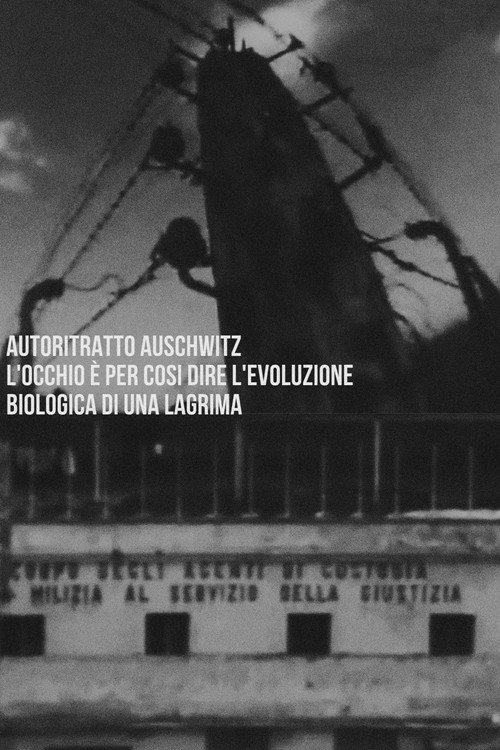
Autoritratto Auschwitz. L'occhio è per così dire l'evoluzione biologica di una lagrima 2007
Alberto Grifi's haunting documentary *Autoritratto Auschwitz. L'occhio è per così dire l'evoluzione biologica di una lagrima* (2007) weaves together fragmented memories, historical echoes, and stark reflections in just 38 minutes.
Director: Alberto Grifi
Cast


Frequently Asked Questions
What is *Autoritratto Auschwitz. L'occhio è per così dire l'evoluzione biologica di una lagrima* (2007) about?
Alberto Grifi's documentary blends archival footage, survivor testimonies, and poetic imagery to explore the lingering trauma of Auschwitz. The film contrasts harrowing camp recollections with modern reflections on justice and imprisonment, all while examining the fragility of human emotion and history.
Who directed *Autoritratto Auschwitz. L'occhio è per così dire l'evoluzione biologica di una lagrima*?
The film was directed by Alberto Grifi, an Italian filmmaker known for his experimental and documentary work that often confronts social and historical themes.
Who stars in *Autoritratto Auschwitz. L'occhio è per così dire l'evoluzione biologica di una lagrima*?
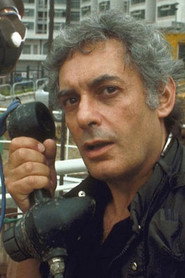
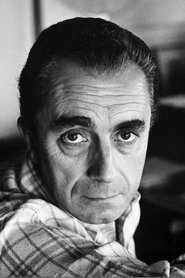
The documentary features Alberto Grifi himself, alongside iconic Italian actress Monica Vitti, visionary director Michelangelo Antonioni, and performer Alessandra Vanzi.
Is *Autoritratto Auschwitz. L'occhio è per così dire l'evoluzione biologica di una lagrima* (2007) worth watching?
This short but powerful documentary offers a unique, fragmented perspective on historical trauma, making it a compelling watch for fans of arthouse films and historical documentaries. While not widely known, its emotional depth and thematic ambition justify its place in Grifi's filmography.
How long is *Autoritratto Auschwitz. L'occhio è per così dire l'evoluzione biologica di una lagrima*?
The runtime is 38 minutes.
About Autoritratto Auschwitz. L'occhio è per così dire l'evoluzione biologica di una lagrima (2007) — A 38-minute documentary on memory and survival
Alberto Grifi's haunting documentary *Autoritratto Auschwitz. L'occhio è per così dire l'evoluzione biologica di una lagrima* (2007) weaves together fragmented memories, historical echoes, and stark reflections in just 38 minutes. The film juxtaposes slow-motion footage of actress Monica Vitti struggling to cry with a chilling visit to Auschwitz, where a survivor recounts the horrors of the camp in unflinching detail. Grifi's camera lingers on the weight of history, capturing a dialogue between Antonioni and himself, while glimpses of modern-day Palestine underscore the enduring scars of conflict. The result is a visceral meditation on trauma, memory, and the fragile line between past and present.
Grounded in the director's personal reflections on imprisonment and injustice, the documentary oscillates between raw documentary footage and poetic introspection. The title itself—suggesting the eye as the biological evolution of a tear—hints at the film's emotional core, where grief and history collide. Shot in stark black-and-white, *Autoritratto Auschwitz* avoids sensationalism, instead inviting viewers to confront the weight of what remains unsaid.