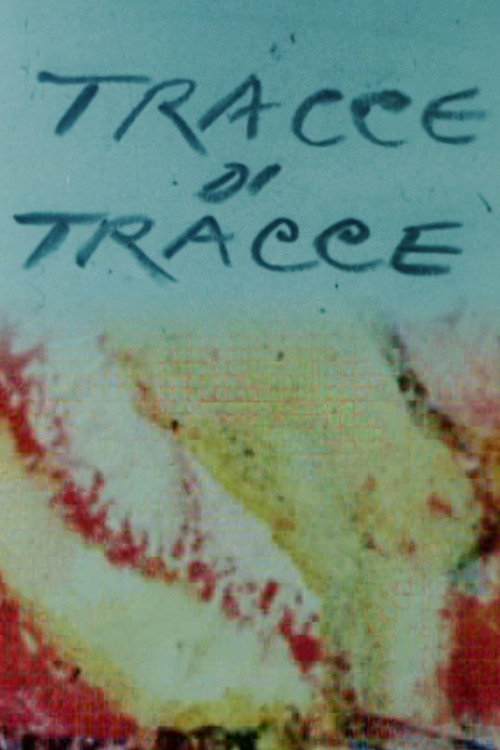
Tracce di tracce 1969
Paolo Gioli's *Tracce di tracce* (1969) is a hypnotic, seven-minute experimental short that pushes the boundaries of cinematic expression.
Director: Paolo Gioli
Frequently Asked Questions
What is Tracce di tracce (1969) about?
*Tracce di tracce* is an abstract visual experiment where director Paolo Gioli uses unconventional methods—ink, stamps, and tactile tools—to imprint images directly onto raw film leader. It transforms the medium into a textured, almost sculptural experience, blurring the line between art and film.
Who directed Tracce di tracce?
Director information is not available for *Tracce di tracce* (1969).
Who stars in Tracce di tracce?
Cast details for *Tracce di tracce* (1969) are not listed.
Is Tracce di tracce (1969) worth watching?
As an experimental short with a runtime of just seven minutes, *Tracce di tracce* is a niche viewing experience best suited for enthusiasts of avant-garde cinema. Its unconventional approach to filmmaking offers a unique sensory journey, though mainstream audiences may find it challenging.
How long is Tracce di tracce?
The runtime for *Tracce di tracce* is 7 minutes.
About Tracce di tracce (1969) — Handcrafted Experimental Cinema That Transforms Film Itself
Paolo Gioli's *Tracce di tracce* (1969) is a hypnotic, seven-minute experimental short that pushes the boundaries of cinematic expression. Crafted entirely by hand—fingers dipped in fresh ink, sandpaper textures, stamps, and unconventional tools—this avant-garde drama transforms the filmstrip itself into a canvas. Using raw, unemulsioned leader film, Gioli forgoes traditional emulsion to imprint abstract patterns directly onto the celluloid, creating a visceral dialogue between light, movement, and absence. The result is a mesmerizing meditation on impermanence, the tactile nature of memory, and the hidden life of film as an object.
This arresting work defies conventional narrative, instead immersing viewers in a sensory experience where every frame feels alive with organic imperfection. The interplay of texture and light evokes a fleeting, almost spectral atmosphere, as if the film itself is whispering secrets through its tactile manipulations. *Tracce di tracce* (1969) is a daring exploration of cinema's material essence, perfect for fans of experimental film who crave something beyond the screen.