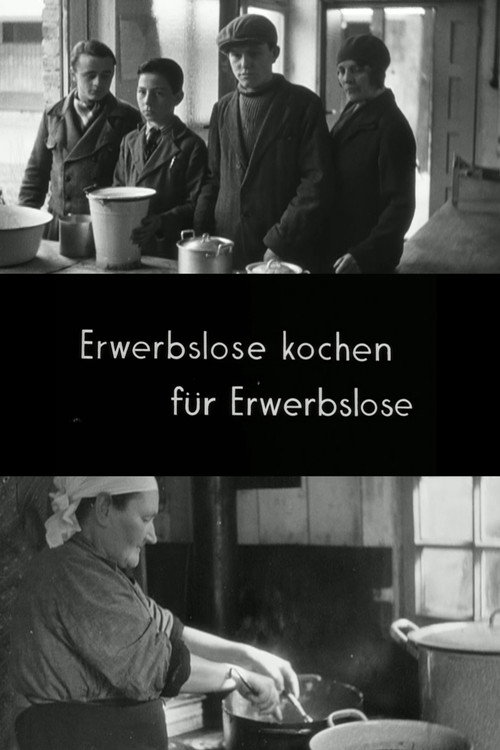
Unemployed Are Cooking for the Unemployed 1932
Directed by Ella Bergmann-Michel, *Unemployed Are Cooking for the Unemployed* (1932) is a striking short documentary born out of necessity during the Great Depression.
Director: Ella Bergmann-Michel
Frequently Asked Questions
What is *Unemployed Are Cooking for the Unemployed* (1932) about?
This short documentary follows Frankfurt's *Erwerblosenküchen* association as they organize community kitchens to feed the unemployed amid the 1930s economic crisis. The film highlights the grassroots efforts to combat hunger when public resources fell short, capturing a moment of collective action.
Who directed *Unemployed Are Cooking for the Unemployed*?
The film was directed by Ella Bergmann-Michel, a pioneering German artist and filmmaker known for her socially conscious works during the Weimar Republic.
Who stars in *Unemployed Are Cooking for the Unemployed*?
Director information is not available.
Is *Unemployed Are Cooking for the Unemployed* (1932) worth watching?
Though unrated and obscure, the film's historical significance as a documentary of mutual aid during economic collapse makes it a compelling watch for students of cinema or 20th-century social history. Its brevity and raw authenticity could appeal to fans of early political filmmaking.
How long is *Unemployed Are Cooking for the Unemployed*?
The runtime is 10 minutes.
About Unemployed Are Cooking for the Unemployed (1932) — A Short Film of Resilience in the Great Depression
Directed by Ella Bergmann-Michel, *Unemployed Are Cooking for the Unemployed* (1932) is a striking short documentary born out of necessity during the Great Depression. Commissioned by Frankfurt's *Erwerblosenküchen* (Unemployment Kitchens) association, the film documents a community-driven effort to feed thousands left hungry by the economic crisis. Shot as a raw, unfiltered snapshot of solidarity, it captures the resilience of ordinary people navigating hardship with dignity. The 10-minute runtime belies its powerful social commentary, offering a glimpse into the grassroots solutions that emerged when institutions failed.
Against the backdrop of Weimar-era instability, Bergmann-Michel's work transcends its documentary roots to become a poignant time capsule of resilience. Screened not just in cinemas but at Frankfurt's Hauptwache square, it blended public awareness with communal storytelling, making it a rare artifact of its era. Though modest in length, the film's themes of mutual aid and collective survival resonate far beyond its historical context.