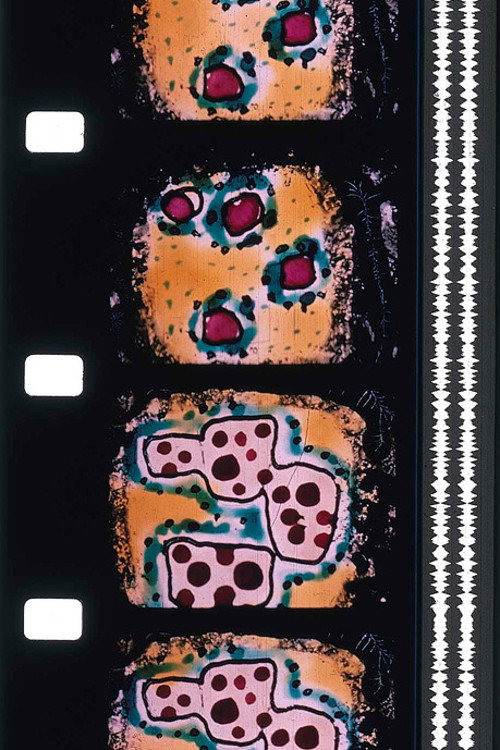
No. 1: A Strange Dream 1939
Dive into the surreal depths of *No. 1: A Strange Dream* (1939), a hypnotic 3-minute animated short crafted by visionary director Harry Smith.
Director: Harry Smith
Frequently Asked Questions
What is No. 1: A Strange Dream (1939) about?
This experimental animated short by Harry Smith condenses millions of years into a mesmerizing 3-minute visual poem. It merges abstract imagery with rhythmic energy, evoking prehistoric landscapes and the raw pulse of early jazz.
Who directed No. 1: A Strange Dream?
Harry Smith directed this groundbreaking animated short, known for pushing the boundaries of visual storytelling in the 1930s.
Who stars in No. 1: A Strange Dream?
Cast information for this film is not listed, as it is an abstract animated short with no credited performers.
Is No. 1: A Strange Dream (1939) worth watching?
While incredibly brief, this 3-minute experimental film is a fascinating artifact for animation enthusiasts and fans of early experimental cinema. Its unique aesthetic and historical significance make it worth a watch, even if it's more of an artistic curiosity than a narrative experience.
How long is No. 1: A Strange Dream?
No. 1: A Strange Dream runs for approximately 3 minutes.
About No. 1: A Strange Dream (1939) — The Pioneering Animated Short That Blends Geology and Jazz
Dive into the surreal depths of *No. 1: A Strange Dream* (1939), a hypnotic 3-minute animated short crafted by visionary director Harry Smith. Hand-painted on 35mm stock and photographed in vibrant color, this silent film blurs the line between art and animation, unfolding like a feverish dream of prehistoric epochs. Smith's experimental technique merges geologic time with rhythmic visuals, creating a mesmerizing collage of textures and hues that feels both ancient and avant-garde. Originally intended to synchronize with Dizzy Gillespie's jazz masterpiece *Manteca*, the film's abstract energy pulses with a raw, unfiltered creativity that defies conventional storytelling.
The atmosphere here is electric—part geological epic, part surrealistic reverie—where each frame feels like a brushstroke from the dawn of cinema itself. While the plot remains enigmatic, the film's haunting beauty lies in its ability to evoke emotion without words, inviting viewers to lose themselves in its hypnotic rhythm. Whether you're a fan of experimental animation or a curious cinephile, *No. 1: A Strange Dream* is a fleeting yet unforgettable glimpse into the boundless imagination of early 20th-century filmmaking.