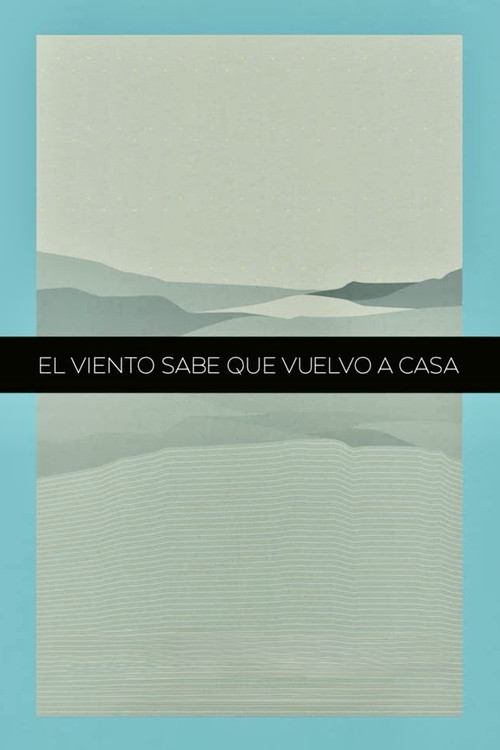
The Winds Know That I'm Coming Back Home 2016
José Luis Torres Leiva's *The Winds Know That I'm Coming Back Home* (2016) is a quietly powerful documentary-drama that immerses viewers in the rugged beauty of Chiloé, Chile's second-largest island.
Director: José Luis Torres Leiva
Cast

Frequently Asked Questions
What is *The Winds Know That I'm Coming Back Home* (2016) about?
This documentary follows filmmaker José Luis Torres Leiva as he explores Chiloé, Chile's second-largest island, in search of its pulse and complexities. While scouting locations, he turns his focus from casting to simply listening to the islanders' diverse stories, uncovering the deep roots of community and subtle tensions beneath the surface.
Who directed *The Winds Know That I'm Coming Back Home*?
The film was directed by José Luis Torres Leiva, a Chilean filmmaker known for his sensitive, observational approach to documentary storytelling.
Who stars in *The Winds Know That I'm Coming Back Home*?
The film features Ignacio Agüero as a key presence among the many islanders whose stories shape the documentary.
Is *The Winds Know That I'm Coming Back Home* (2016) worth watching?
If you appreciate slow, atmospheric films that prioritize human connection over spectacle, this documentary-drama offers a rewarding experience. Its unhurried pace rewards patience, revealing layers of culture and emotion rarely seen on screen.
How long is *The Winds Know That I'm Coming Back Home*?
The film has a runtime of 102 minutes.
About The Winds Know That I'm Coming Back Home (2016) — A Chiloé documentary of quiet revelations and human stories
José Luis Torres Leiva's *The Winds Know That I'm Coming Back Home* (2016) is a quietly powerful documentary-drama that immerses viewers in the rugged beauty of Chiloé, Chile's second-largest island. Filming with a small crew, the director ventures beyond casting calls, instead weaving together the raw, unfiltered stories of locals—both young and old—as they grapple with identity, change, and the weight of tradition. The film lingers on the island's mist-shrouded landscapes, using them as a mirror for the emotional landscapes of its people, revealing a community both welcoming and watchful, where outsiders tread carefully and stories become bridges.
The documentary's strength lies in its patience, allowing the audience to absorb the undercurrents of tension and belonging that define Chiloé. Torres Leiva's lens captures moments that feel unscripted yet profoundly human, blending intimate portraits with a sense of quiet revelation. It's a meditation on the act of listening itself, where every anecdote and pause speaks volumes about the soul of a place often overlooked by the world.