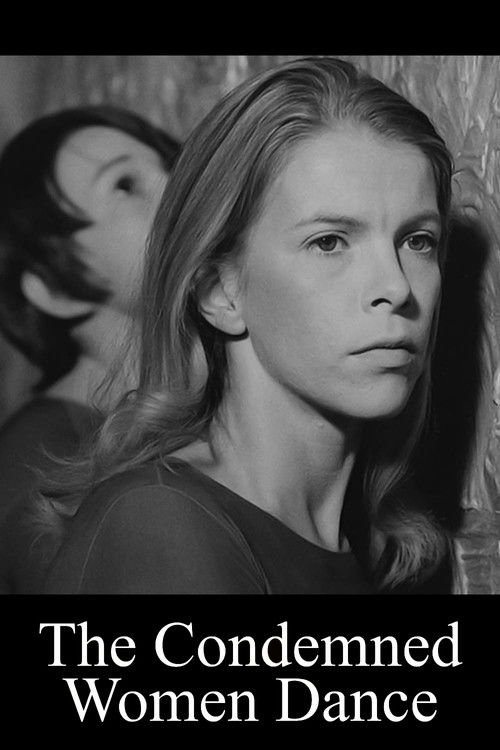
The Dance of the Damned Women 1976
Ingmar Bergman's hauntingly poetic short film *The Dance of the Damned Women* (1976) transforms a confined space into a mesmerizing stage where four performers weave a visual and auditory spell.
Director: Ingmar Bergman
Cast

Frequently Asked Questions
What is The Dance of the Damned Women (1976) about?
This short film follows four women moving through a cramped, enclosed space to Monteverdi's music, embodying archetypes like damned souls, death, and a child bound by generational patterns. It's a visual allegory exploring fate, suffering, and the cyclical nature of womanhood, condensed into a 12-minute meditation.
Who directed The Dance of the Damned Women?
The film was directed by Ingmar Bergman, the legendary Swedish filmmaker renowned for his introspective and psychologically rich cinema.
Who stars in The Dance of the Damned Women?
The short features Helene Friberg, Nina Harte, Lena Wennergren, and Lisbeth Zachrisson, each portraying a symbolic female figure through dance.
Is The Dance of the Damned Women (1976) worth watching?
While it's a niche experimental work, Bergman's craftsmanship and the film's haunting atmosphere make it compelling for fans of arthouse cinema. Its brevity and symbolism demand patience, but the payoff is a uniquely atmospheric experience.
How long is The Dance of the Damned Women?
The Dance of the Damned Women runs for 12 minutes.
About The Dance of the Damned Women (1976) — Ingmar Bergman's 12-Minute Masterpiece of Symbolic Dance
Ingmar Bergman's hauntingly poetic short film *The Dance of the Damned Women* (1976) transforms a confined space into a mesmerizing stage where four performers weave a visual and auditory spell. Set to the stirring compositions of Claudio Monteverdi, the piece unfolds as a dance play rather than traditional ballet, exploring timeless female archetypes—damned souls, death, and an innocent child—trapped in cyclical patterns of fate. The stark black-and-white imagery amplifies the oppressive atmosphere, blending existential dread with a stark, almost ritualistic beauty. Bergman's signature introspective style shines here, turning a mere 12 minutes into a profound meditation on legacy, suffering, and the inescapable cycles of womanhood.
This 1976 TV movie isn't just a relic of experimental cinema; it's a masterclass in minimalism and symbolism. The dancers' movements, both fluid and constrained, mirror the tension between freedom and destiny, while Monteverdi's Baroque music lends an otherworldly grandeur to the proceedings. A fleeting yet unforgettable experience, *The Dance of the Damned Women* lingers in the mind like a half-remembered dream, challenging viewers to confront the weight of their own inherited roles.