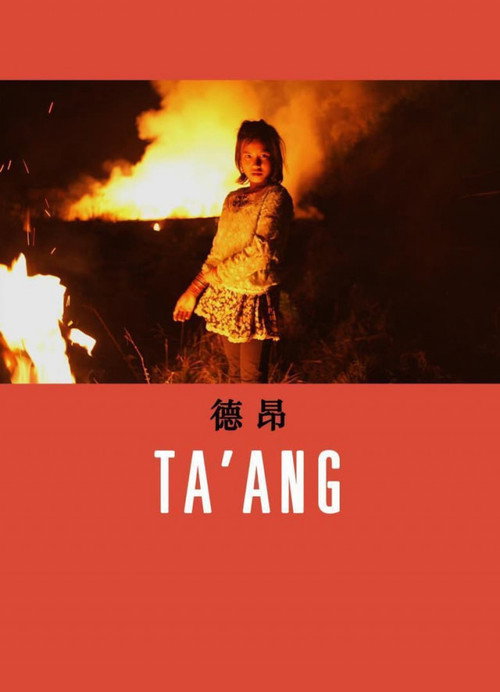
Ta'ang 2016
Wang Bing's *Ta'ang* (2016) immerses viewers in a haunting documentary journey as thousands of ethnic Ta'ang refugees flee across the Myanmar-China border in 2015, fleeing violence that threatens their survival.
Director: Wang Bing
Cast
Frequently Asked Questions
What is *Ta'ang* (2016) about?
This harrowing documentary follows the Ta'ang, an ethnic minority group, as they flee escalating violence in Myanmar's Kokang region in 2015. Filmmaker Wang Bing documents their desperate migration across the border into China, capturing both the physical and emotional toll of displacement.
Who directed *Ta'ang*?
The film was directed by Wang Bing, an acclaimed Chinese filmmaker known for his immersive, socially conscious documentaries that spotlight marginalized communities.
Who stars in *Ta'ang*?
The documentary centers on Jin Xiaoda and Jin Xiaoman, key figures among the Ta'ang refugees whose stories anchor the film's narrative.
Is *Ta'ang* (2016) worth watching?
*Ta'ang* is a vital watch for its uncompromising portrayal of human resilience in the face of conflict. As a documentary, it offers more than just information—it delivers an emotionally resonant experience that lingers long after the credits roll.
How long is *Ta'ang*?
The film runs for 148 minutes, providing ample time to fully immerse yourself in its unfolding story.
About Ta'ang (2016): Witnessing the Human Cost of War — Full Movie Info
Wang Bing's *Ta'ang* (2016) immerses viewers in a haunting documentary journey as thousands of ethnic Ta'ang refugees flee across the Myanmar-China border in 2015, fleeing violence that threatens their survival. This powerful film blends raw reportage with mythic storytelling, capturing the resilience and suffering of the Ta'ang people through intimate, unflinching cinematography. The director's lens transforms personal tragedy into a universal tale of displacement, where every step becomes a testament to endurance against impossible odds.
Shot over 148 minutes, *Ta'ang* strips away political jargon to focus on the human faces behind displacement, their stories etched into the rugged landscapes they traverse. Wang Bing's observational style draws out moments of quiet dignity amid chaos, offering a rare glimpse into a crisis often overlooked by mainstream media. The film's atmosphere is one of quiet urgency, where every frame feels like a whisper of history in the making.