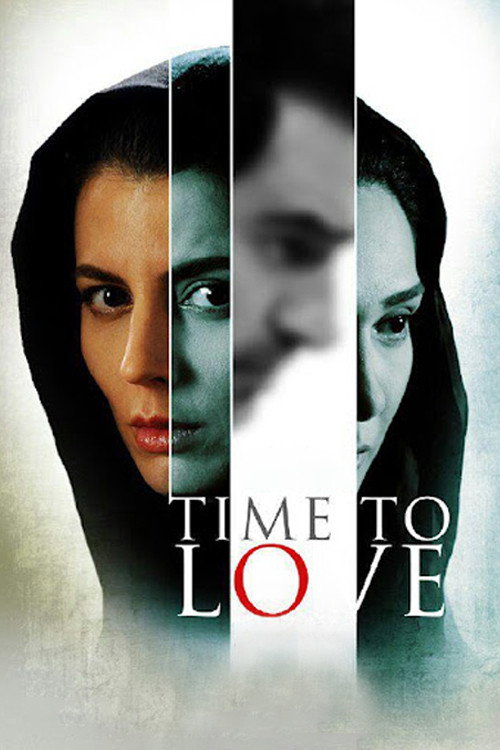
Time to Love 2014
In *Time to Love (2014)*, visionary Iranian director Alireza Raisian crafts a poignant drama that peels back the layers of a woman's unexpected personal reckoning.
Director: Alireza Raisian
Cast




Frequently Asked Questions
What is Time to Love (2014) about?
The film follows Bita, a passionate lawyer who champions women's rights through her work, only to face an unexpected crisis in her own marriage. A client's unexpected pregnancy and a cascade of gossip force her to confront her blind spots, leading to a profound journey of self-reflection and personal awakening.
Who directed Time to Love?
Alireza Raisian directed *Time to Love*, bringing a sensitive and introspective approach to this Iranian drama.
Who stars in Time to Love?
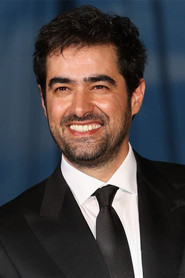
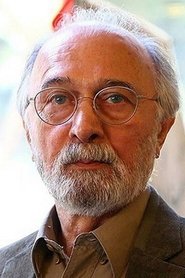
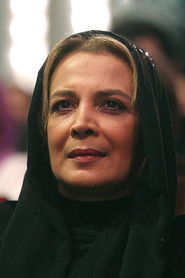
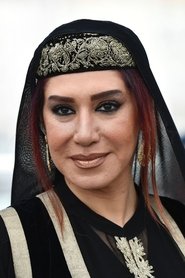
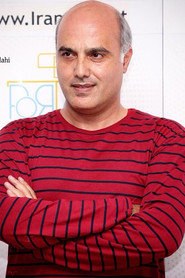
The film features Leila Hatami as Bita, alongside Shahab Hosseini, Farhad Aslani, Mina Vahid, and Parviz Pourhosseini in key roles.
Is Time to Love (2014) worth watching?
*Time to Love* offers a compelling blend of drama and social commentary, anchored by strong performances. While not a high-energy spectacle, its emotional resonance and thoughtful themes make it a rewarding watch for fans of character-driven cinema.
How long is Time to Love?
The film has a runtime of 100 minutes.
Time to Love (2014) — A Drama About Love, Law, and Self-Discovery
In *Time to Love (2014)*, visionary Iranian director Alireza Raisian crafts a poignant drama that peels back the layers of a woman's unexpected personal reckoning. Leila Hatami stars as Bita, a formidable lawyer who dedicates her career to fighting for women's rights in divorce cases—yet remains blind to the mounting tensions in her own marriage. When a gossipy client and an unplanned pregnancy force her to confront her own life, Bita's journey becomes a powerful exploration of self-discovery, societal expectations, and the fragile balance between justice and intimacy.
With a sharp, introspective lens, *Time to Love* blends quiet tension with emotional depth, unfolding against the backdrop of Tehran's modern yet conservative society. The film delves into themes of autonomy, sacrifice, and the often-blurred lines between advocacy and personal fulfillment. Hatami's nuanced performance, alongside Shahab Hosseini and Farhad Aslani, elevates the narrative, making it a reflective drama that lingers long after the credits roll.