Dream On 1977
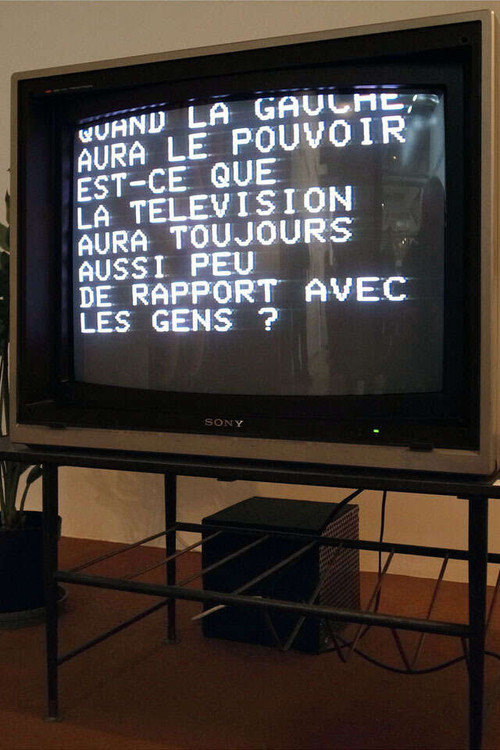
Jean-Luc Godard's *Dream On* (1977) delivers a provocative and avant-garde take on the music video format, deconstructing Patrick Juvet's song with a bold, anti-establishment lens.
Director: Jean-Luc Godard
Cast

Frequently Asked Questions
What is Dream On (1977) about?
*Dream On* is an unconventional exploration of Patrick Juvet's song, stripped of its usual glamour and reimagined as a visual essay. Director Jean-Luc Godard uses the format to dissect the relationship between music, art, and consumer culture, turning a pop artifact into something far more provocative.
Who directed Dream On?
The film was directed by Jean-Luc Godard, the legendary French-Swiss filmmaker known for his groundbreaking work in the French New Wave and experimental cinema.
Who stars in Dream On?
The film features Anne-Marie Miéville and Camille Miéville in key roles, alongside the musical presence of Patrick Juvet.
Is Dream On (1977) worth watching?
As a four-minute experimental piece, *Dream On* is a niche but rewarding experience for fans of Godard's audacious style. Its brevity and thematic depth make it a cult curiosity rather than a mainstream must-see, but its boldness ensures it stands out in any discussion of 1970s avant-garde cinema.
How long is Dream On?
The film runs for 4 minutes.
About Dream On (1977) — A 4-Minute Anti-Music Video by Jean-Luc Godard
Jean-Luc Godard's *Dream On* (1977) delivers a provocative and avant-garde take on the music video format, deconstructing Patrick Juvet's song with a bold, anti-establishment lens. Clocking in at just four minutes, this short TV movie-doc hybrid eschews conventional rhythms for a raw, experimental atmosphere that challenges the viewer's expectations of both music and cinema. Starring Anne-Marie Miéville and Camille Miéville, the film immerses itself in themes of disillusionment and the deconstruction of pop culture tropes, all while maintaining Godard's signature visual and narrative inventiveness. Despite its brevity, *Dream On* lingers as a fascinating artifact of 1970s counterculture, blending documentary realism with playful subversion.
The film's minimalist yet striking aesthetic amplifies its themes, creating an experience that feels both intimate and detached. Rather than celebrating Juvet's music, Godard critiques its commercial appeal, transforming a fleeting pop moment into a meditation on art's role in society. For fans of experimental filmmaking, *Dream On* offers a concise yet impactful dive into Godard's rebellious spirit, proving that even a four-minute runtime can leave a lasting impression.