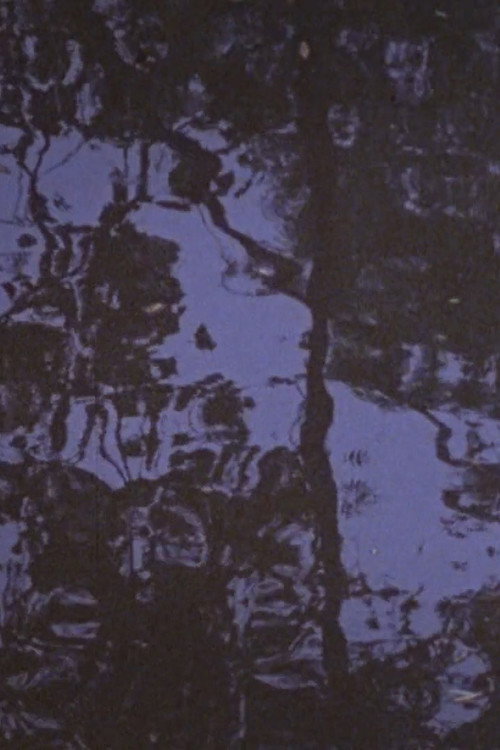
Trees in the River, Kent OH 1973
Trees in the River, Kent OH (1973) is a brief yet intriguing documentary that offers a unique glimpse into a specific moment and place.
Director: Hollis Frampton
Frequently Asked Questions
What is Trees in the River, Kent OH (1973) about?
This experimental documentary presents a brief observational study of the natural environment in Kent, Ohio, focusing on the relationship between trees and the nearby river. The film uses its short runtime to create a contemplative visual experience that invites viewers to reflect on the intersection of nature and landscape.
Who directed Trees in the River, Kent OH?
The film was directed by Hollis Frampton, a pioneering experimental filmmaker known for his innovative approaches to cinema and his work in the avant-garde movement of the 1970s.
Who stars in Trees in the River, Kent OH?
Cast information for Trees in the River, Kent OH (1973) is not available, as the film appears to be purely observational without credited performers.
Is Trees in the River, Kent OH (1973) worth watching?
With its unique experimental approach and historical significance in avant-garde cinema, this short documentary offers valuable insight into Hollis Frampton's artistic vision. While brief at just one minute, it provides an interesting study for fans of experimental film and documentary art.
How long is Trees in the River, Kent OH?
The runtime for Trees in the River, Kent OH (1973) is 1 minute.
Trees in the River, Kent OH: Experimental Documentary — Full Movie Info
Trees in the River, Kent OH (1973) is a brief yet intriguing documentary that offers a unique glimpse into a specific moment and place. Directed by the experimental filmmaker Hollis Frampton, this one-minute piece represents his distinctive approach to cinema, focusing on observation and contemplation rather than traditional narrative structure. The film captures the essence of its titular location, inviting viewers to experience the interplay between nature and human geography through Frampton's artistic lens.
This short documentary exemplifies the avant-garde movement of the early 1970s, where filmmakers pushed boundaries to explore new ways of seeing and documenting reality. While the runtime may seem minimal, every second counts in Frampton's carefully crafted visual meditation. The absence of credited cast suggests this is purely observational work, allowing the natural elements and landscape to become the true subjects of the film.
For those interested in experimental cinema and documentary art, Trees in the River, Kent OH (1973) provides a fascinating window into the creative mind of one of America's most innovative filmmakers. Its brevity makes it accessible while its artistic ambition challenges conventional viewing expectations.