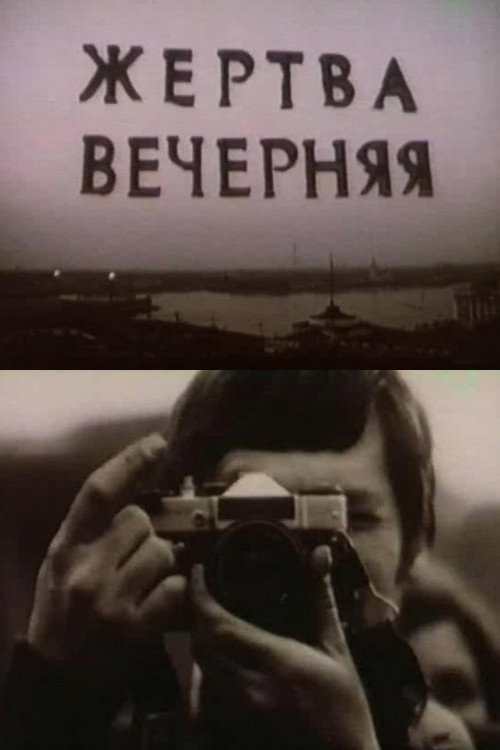
The Evening Sacrifice 1987
Step into the intriguing world of Aleksandr Sokurov's *The Evening Sacrifice* (1987), a short but haunting documentary that captures the surreal energy of May Day celebrations in the Soviet era.
Director: Aleksandr Sokurov
Frequently Asked Questions
What is The Evening Sacrifice (1987) about?
This short documentary by Aleksandr Sokurov captures the crumbling facade of a Soviet May Day celebration as participants drift apart, their energy and purpose dissolving without direction. The film contrasts the grandeur of ritual with the quiet exhaustion of the individuals trapped within it.
Who directed The Evening Sacrifice?
The Evening Sacrifice was directed by the acclaimed Russian filmmaker Aleksandr Sokurov, known for his visually dense and philosophically rich works.
Who stars in The Evening Sacrifice?
Director information is not available.
Is The Evening Sacrifice (1987) worth watching?
While unrated and short in length, *The Evening Sacrifice* offers a fascinating glimpse into Sokurov's early style and the historical weight of Soviet-era traditions. It's a niche but thought-provoking watch for fans of documentary filmmaking and Soviet history.
How long is The Evening Sacrifice?
The Evening Sacrifice runs for 20 minutes.
About The Evening Sacrifice (1987) — A Soviet May Day Ritual Unravels
Step into the intriguing world of Aleksandr Sokurov's *The Evening Sacrifice* (1987), a short but haunting documentary that captures the surreal energy of May Day celebrations in the Soviet era. Mired in the orchestrated chaos of a mass ritual, the film observes as participants—once united by the spectacle of fireworks and collective fervor—begin to fray at the edges, their energy dissipating without the guiding hand of a director. Sokurov's lens lingers on the disintegration of purpose, painting a melancholic portrait of a system and its people losing their grip on the grand narrative. The 20-minute runtime is packed with visual poetry, blending history with the raw, unscripted moments of human fatigue and deflation.
This isn't just a historical artifact; it's a meditation on the fragility of human connection and the hollow allure of tradition. The documentary's atmosphere is thick with tension, as the promise of celebration collapses into disarray, leaving behind only the echoes of a bygone era. Sokurov's signature style—both intimate and detached—elevates the work beyond a mere record of an event, transforming it into a poignant reflection on collective disillusionment.