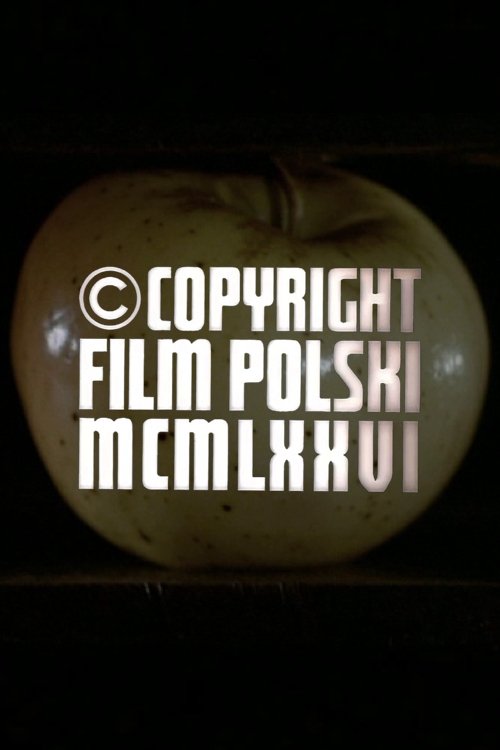
Copyright Film Polski MCMLXXVI 1977
Piotr Szulkin's Copyright Film Polski MCMLXXVI (1977) strips away expectations in a boldly minimalist animated short that turns a simple apple into a sonic spectacle.
Director: Piotr Szulkin
Frequently Asked Questions
What is Copyright Film Polski MCMLXXVI (1977) about?
This three-minute animated short by Piotr Szulkin focuses on the amplified sounds and visuals of an apple being crushed. It's less about storytelling and more about transforming a simple act into a raw, sensory experience that lingers in the mind.
Who directed Copyright Film Polski MCMLXXVI?
Piotr Szulkin directed this experimental short in 1977. Known for his bold, unconventional approach to animation, Szulkin created a film that defies traditional narrative in favor of pure sensory impact.
Who stars in Copyright Film Polski MCMLXXVI?
Cast details for this animated short are not publicly available.
Is Copyright Film Polski MCMLXXVI (1977) worth watching?
Though it's brief and unrated, this experimental film offers a unique sensory experience for fans of avant-garde cinema or experimental shorts. Its minimalist approach and haunting sound design make it a niche but memorable watch for those seeking something outside the mainstream.
How long is Copyright Film Polski MCMLXXVI?
The film runs for 3 minutes.
About Copyright Film Polski MCMLXXVI (1977) — A Minimalist Animated Experiment in Sound and Decay
Piotr Szulkin's Copyright Film Polski MCMLXXVI (1977) strips away expectations in a boldly minimalist animated short that turns a simple apple into a sonic spectacle. With a runtime of just three minutes, the film transforms an everyday object into a raw study of texture, sound, and transformation. Through exaggerated close-ups and amplified sound design, Szulkin crafts an atmospheric meditation on decay and sensory perception, blurring the line between the mundane and the abstract. The result is less a narrative and more an experimental sensory experience—visceral, disorienting, and oddly poetic.
Though brief, the film's experimental edge lingers long after the credits roll. By focusing on the crushing of an apple to the rhythm of its own destruction, Szulkin questions the nature of consumption, both literal and artistic. The stark simplicity of the animation contrasts sharply with the intense audio cues, creating a haunting loop of creation and obliteration that speaks volumes in minimal time. Perfect for fans of avant-garde cinema, this obscure gem from Poland's 1970s animation scene remains a cult curiosity for those drawn to films that challenge conventional storytelling.