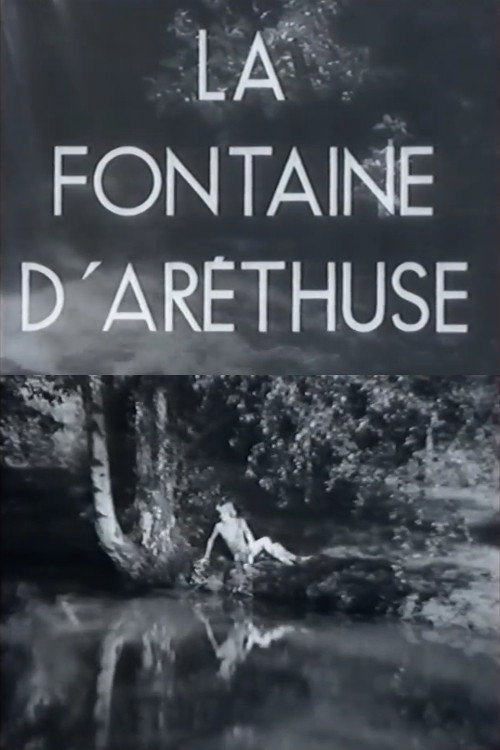
The Fountain of Arethusa 1936
Dimitri Kirsanoff's *The Fountain of Arethusa (1936)* is a mesmerizing six-minute fantasy short steeped in music and myth.
Director: Dimitri Kirsanoff
Cast
Frequently Asked Questions
What is The Fountain of Arethusa (1936) about?
This six-minute fantasy short follows a water goddess who appears from a fountain and is pursued by a hunter, only to vanish into her aquatic realm. The story unfolds through a piano score that mimics flowing water, blending mythology with a dreamlike visual style.
Who directed The Fountain of Arethusa?
Dimitri Kirsanoff, known for his innovative use of music and imagery in early cinema, directed this experimental short.
Who stars in The Fountain of Arethusa?
The cast includes Sabine Earl as the water goddess, Michel Gevel as the hunter, and Tasso Janopoulo in a supporting role.
Is The Fountain of Arethusa (1936) worth watching?
At just six minutes long, this short offers a unique blend of fantasy and classical music, making it a curious watch for fans of experimental cinema. While it's not a mainstream title, its artistic approach and atmospheric storytelling make it intriguing for niche audiences.
How long is The Fountain of Arethusa?
The runtime for *The Fountain of Arethusa* is 6 minutes.
About The Fountain of Arethusa (1936) — A Music-Driven Fantasy Short by Dimitri Kirsanoff
Dimitri Kirsanoff's *The Fountain of Arethusa (1936)* is a mesmerizing six-minute fantasy short steeped in music and myth. The film opens with a piano score that mimics the rippling reflections of water, setting the stage for an ethereal tale where a water goddess emerges from a fountain's shimmering depths. Played by the elusive Sabine Earl, the goddess is pursued by a hunter (Michel Gevel), but her essence dissolves like mist, returning to the river's embrace. Kirsanoff blends visual poetry with classical sounds, creating a dreamlike atmosphere where fantasy and nature intertwine.
This early short film stands out for its experimental approach, using sound and imagery to evoke ancient legends without dialogue. The haunting music, often interpreted as the voice of Arethusa herself, guides the story—her fleeting presence and the hunter's futile chase underscore themes of longing and the ephemeral nature of beauty. With its delicate cinematography and evocative score, *The Fountain of Arethusa* is a forgotten gem of 1930s fantasy cinema.