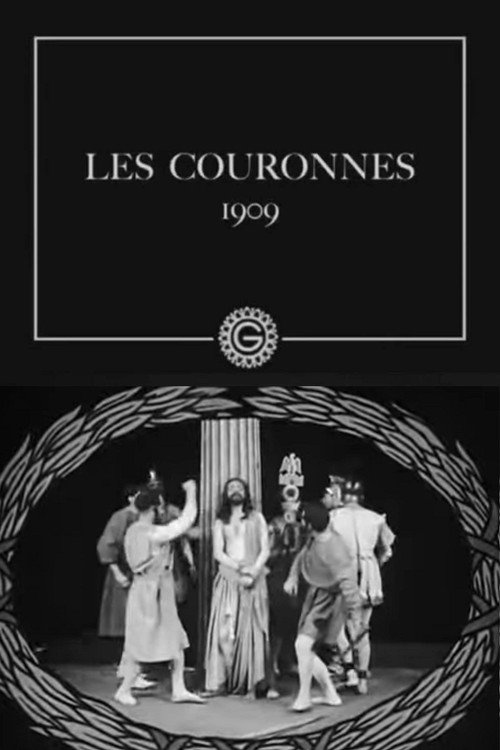
Crowns, II: The Crown of Thorns 1909
Émile Cohl's *Crowns, II: The Crown of Thorns (1909)* unfolds as a striking silent short that weaves together history, art, and symbolism in just six minutes.
Director: Émile Cohl
Frequently Asked Questions
What is *Crowns, II: The Crown of Thorns (1909)* about?
This six-minute silent film juxtaposes moments of triumph and humility through a series of vignettes, from a dancer's graceful poses to schoolchildren receiving rewards, and ultimately contrasts regal crowns with Christ's crown of thorns and a beggar's loaf of bread.
Who directed *Crowns, II: The Crown of Thorns*?
The film was directed by Émile Cohl, a pioneer of early animation and silent cinema whose innovative techniques shaped the medium in its formative years.
Who stars in *Crowns, II: The Crown of Thorns*?
Cast details are not widely documented, reflecting the era's limited record-keeping for actors in short films.
Is *Crowns, II: The Crown of Thorns (1909)* worth watching?
While it's a brief silent short, the film's historical significance and thematic depth make it a compelling watch for fans of early cinema. Its experimental style and allegorical storytelling offer a window into the artistic and cultural priorities of the early 20th century.
How long is *Crowns, II: The Crown of Thorns*?
The film runs for 6 minutes.
🎥 Trailer
About Crowns, II: The Crown of Thorns (1909) — A Silent Short Uniting History and Symbolism
Émile Cohl's *Crowns, II: The Crown of Thorns (1909)* unfolds as a striking silent short that weaves together history, art, and symbolism in just six minutes. The film opens with a graceful dancer framed by a rose wreath, evoking themes of beauty and celebration before shifting to a scene of 1830s schoolchildren receiving rewards—a snapshot of academic achievement in an earlier era. The narrative then transitions through powerful historical imagery, from Caesar's laurel wreath to Christ's crown of thorns, and a humble beggar's modest 'crown' of bread, each vignette exploring the duality of honor and suffering across time. Cohl's minimalist yet evocative storytelling captures the tension between human endeavor and fate, all set to a backdrop of early cinematic experimentation.
Crafted during the dawn of filmmaking, this avant-garde piece blends allegory with social commentary, challenging viewers to reflect on the meaning of crowns—both as symbols of power and as tokens of empathy. The film's haunting atmosphere lingers, blending the elegance of classical art with the raw simplicity of charitable acts, making it a fascinating relic for history buffs and silent film enthusiasts alike.