Splitting 1974
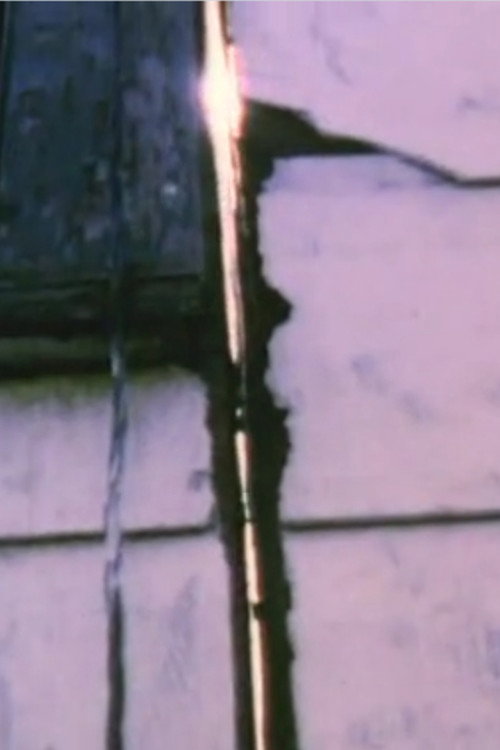
Gordon Matta-Clark's *Splitting* (1974) transforms demolition into art, capturing the moment a condemned house on Humphrey Street is sliced cleanly in two.
Director: Gordon Matta-Clark
Frequently Asked Questions
What is Splitting (1974) about?
*Splitting* documents artist Gordon Matta-Clark's radical intervention into a doomed New Jersey home, bisecting the structure down the middle to expose its core. The film captures the meticulous process of dismantling a domestic space, transforming demolition into a form of conceptual sculpture. It's less a story and more a visual provocation about the fragility of architecture and the stories built into walls.
Who directed Splitting?
Splitting was directed by Gordon Matta-Clark, a pioneering figure in the 1970s avant-garde movement known for his site-specific architectural interventions.
Who stars in Splitting?
Cast information for Splitting (1974) is not publicly listed.
Is Splitting (1974) worth watching?
While unrated and brief, *Splitting* stands out as a bold, influential experiment in conceptual art and film. Its stark visuals and philosophical weight make it compelling for fans of avant-garde cinema, though casual viewers might find its minimalist approach challenging. Think of it as a 11-minute masterclass in seeing the extraordinary in the ordinary.
How long is Splitting?
Splitting runs for 11 minutes.
About Splitting (1974) — When a House Became Art in an Iconic Demolition Experiment
Gordon Matta-Clark's *Splitting* (1974) transforms demolition into art, capturing the moment a condemned house on Humphrey Street is sliced cleanly in two. This 11-minute black-and-white film blends raw documentation with conceptual depth, transforming a routine wrecking-ball job into a meditation on space, decay, and human intervention. The camera lingers on the labor—saws biting through wood, walls trembling—before revealing the surreal aftermath of a home cleaved vertically, its interiors exposed to the sky. Matta-Clark's work challenges viewers to reconsider architecture not just as shelter, but as a malleable canvas.
Merging the grit of urban decay with the precision of performance art, *Splitting* eschews narrative in favor of visceral juxtaposition: the mundane act of destruction collides with the poetic rupture of a domestic space. The film's stark visuals and methodical pacing invite reflection on themes of impermanence and transformation, while its experimental approach positions it as a landmark in 1970s avant-garde cinema. Whether you're drawn to its raw aesthetic or its philosophical undercurrents, *Splitting* offers an unforgettable glimpse into the intersection of art and demolition.