
River of Tears 1969
Dive into the bittersweet world of *River of Tears (1969)*, a poignant Hong Kong romance-drama directed by Chun Kim.
Director: Chun Kim
Cast

Jenny Hu Yan-Ni
Fang Biyu

Chin Han
Feng Qiwei
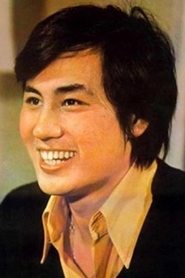
Tsung Hua
Feng Qijun
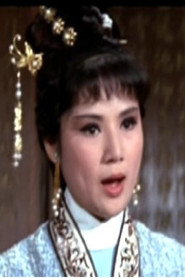
Yau Ching
Danni Li
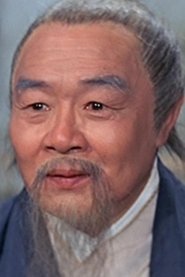
Ku Wen-Chung
Feng's dad
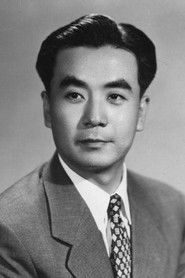
Yang Chi-Ching
Lin Laoer
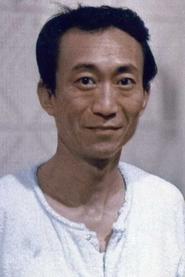
Wei Ping-Ao
Li Laosan

Lai Man
Fang Biyu's mother

Alice Au Yin-Ching
Hsiao Lan
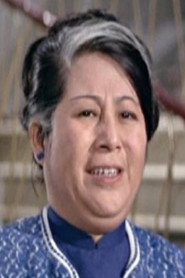
Wu Yen
Hsiao Lan's mother
Frequently Asked Questions
What is River of Tears (1969) about?
*River of Tears* follows Fang Biyu, a captivating singer entangled in a love triangle with two brothers, Qiwei and Qijun. After escaping a dangerous past, she finds happiness with Qiwei—until a tragic accident tears their family apart. Forced to return to her singing career to survive, Biyu clings to the hope of reuniting with her son, all while navigating a world that blames her for her loss.
Who directed River of Tears?
River of Tears was directed by Chun Kim, a filmmaker known for his emotive storytelling in mid-century Hong Kong cinema.
Who stars in River of Tears?
The film stars Jenny Hu Yan-Ni as Fang Biyu, alongside Chin Han, Tsung Hua, and Yau Ching in pivotal roles.
Is River of Tears (1969) worth watching?
While *River of Tears* is unrated on IMDb, its emotional depth and strong performances make it a compelling watch for fans of classic romance and drama. The film's themes of resilience and heartbreak are timeless, offering a poignant glimpse into mid-century storytelling.
How long is River of Tears?
River of Tears has a runtime of 74 minutes.
About River of Tears (1969) — A Heartbreaking Romance With Unforgettable Performances
Dive into the bittersweet world of *River of Tears (1969)*, a poignant Hong Kong romance-drama directed by Chun Kim. Set against the backdrop of post-war uncertainty, the film weaves a tale of love, loss, and resilience through the eyes of Fang Biyu, a mysterious singer whose heart is torn between two brothers. Jenny Hu Yan-Ni shines as Biyu, embodying the quiet strength of a woman navigating a world that seems determined to keep her down. With themes of sacrifice, redemption, and the unbreakable bonds of family, *River of Tears* captures the raw emotional weight of 1960s melodrama, blending intimate character drama with a haunting backdrop of societal pressures.
Chun Kim's direction infuses the story with a melancholic atmosphere, where every frame feels steeped in sorrow and quiet hope. The film's emotional core lies in Biyu's journey—from liberation to tragedy, and ultimately to the fragile promise of reunion. As she grapples with grief and societal judgment, the film explores the quiet resilience of the human spirit, making it a standout in the romance-drama genre.