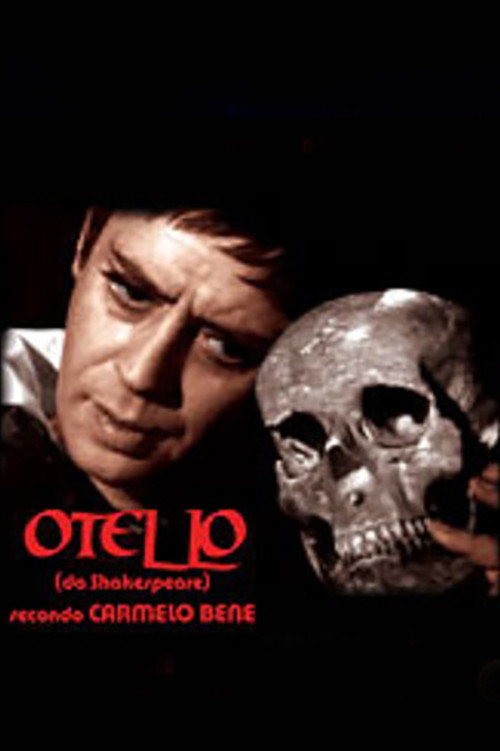
Otello o la deficienza della donna 2002
A late masterpiece from Carmelo Bene, *Otello o la deficienza della donna* (2002) is a striking adaptation of his own avant-garde stage play, broadcast posthumously after his death.
Director: Carmelo Bene
Cast

Frequently Asked Questions
What is Otello o la deficienza della donna (2002) about?
This film reimagines Shakespeare's *Othello* as a provocative, stripped-down experiment in storytelling. Bene's adaptation strips away tradition to expose the absurdity and fragility beneath jealousy and betrayal, wrapped in a surreal and unsettling visual style.
Who directed Otello o la deficienza della donna?
Carmelo Bene directed this bold reinterpretation. Known for his radical theatrical and cinematic innovations, Bene crafted a final statement that defies easy categorization.
Who stars in Otello o la deficienza della donna?
The film features a compelling cast led by Carmelo Bene, supported by Cosimo Cinieri, Michela Martini, Rossella Bolmida, and Cesare Dell'Aguzzo.
Is Otello o la deficienza della donna (2002) worth watching?
For fans of experimental cinema or those intrigued by Carmelo Bene's legacy, this is a must-see. While not mainstream, its audacity and thematic depth make it a compelling choice for adventurous viewers seeking something truly unique.
How long is Otello o la deficienza della donna?
The film runs for 68 minutes, offering a concise yet intense cinematic experience.
About Otello o la deficienza della donna (2002) — Carmelo Bene's explosive last work of cinematic rebellion
A late masterpiece from Carmelo Bene, *Otello o la deficienza della donna* (2002) is a striking adaptation of his own avant-garde stage play, broadcast posthumously after his death. Filmed in Turin's studios back in 1979 but edited decades later between 2001 and 2002, this TV staging transforms Shakespeare's tragic tale into a bold, experimental narrative. Bene's signature subversion dismantles conventional expectations, replacing melodrama with absurdist tension and razor-sharp wit. The result is a visually stark, emotionally intense experience that lingers long after the credits roll.
With a runtime of just 68 minutes, the film thrives on its minimalist energy, led by Bene himself alongside a powerhouse supporting cast. The themes of betrayal, jealousy, and the absurdity of human flaws are stripped down to their rawest form, heightened by Bene's theatrical flair and uncompromising vision. It's a challenging watch, but one that rewards fans of radical cinema with its fearless creativity and unapologetic defiance of narrative norms.