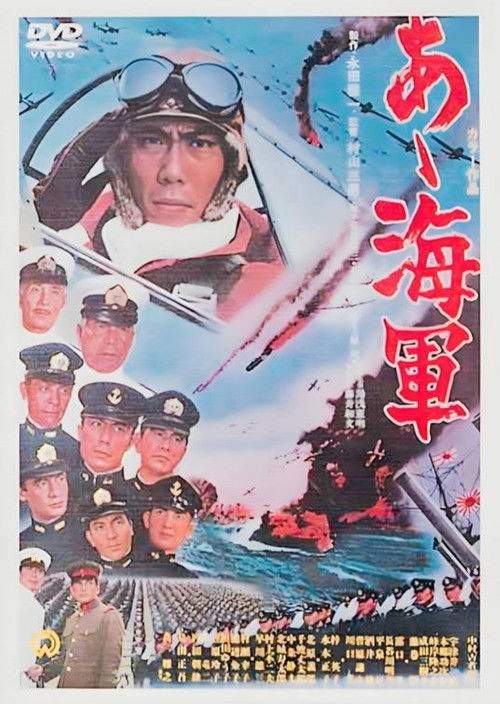
Gateway to Glory 1969
Gateway to Glory (1969) transports viewers to post-war Japan, where duty and sacrifice intertwine in the dramatic story of a young man leaving his struggling mother's rural farm to forge a path in the Japanese navy.
Director: Mitsuo Murayama
Cast

Kichiemon Nakamura II
平田一郎
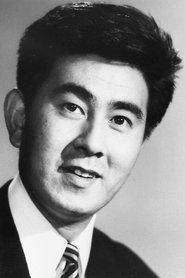
Ken Utsui
冈野大尉

Kōjirō Hongō
荒木中尉
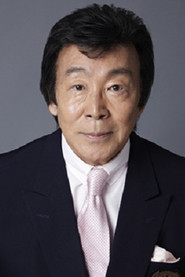
Jun Fujimaki
前川大尉
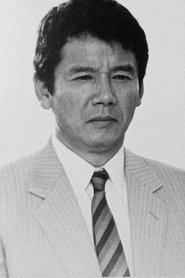
Shigeru Tsuyuguchi
山下六助

Eiko Azusa
地主家小姐明子
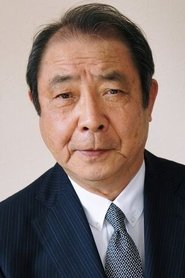
Sei Hiraizumi
森下下士

Sachiko Murase
平田房代

Reiko Kasahara
阿信
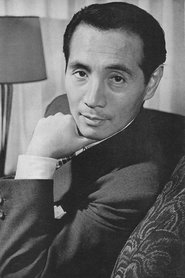
Masayuki Mori
井上成美
Frequently Asked Questions
What is Gateway to Glory (1969) about?
Gateway to Glory (1969) follows a young man who leaves his struggling widowed mother behind to join the Japanese navy, seeking purpose and stability in a nation rebuilding from war's devastation. His journey explores the tensions between personal duty and familial responsibility, set against the backdrop of mid-20th century naval life.
Who directed Gateway to Glory?
Gateway to Glory (1969) was directed by Mitsuo Murayama, a filmmaker known for his evocative storytelling in historical and war dramas.
Who stars in Gateway to Glory?
The film features a talented cast led by Kichiemon Nakamura II and Ken Utsui, alongside Kōjirō Hongō, Jun Fujimaki, and Shigeru Tsuyuguchi.
Is Gateway to Glory (1969) worth watching?
Gateway to Glory (1969) is a solid choice for fans of classic war dramas and character-driven narratives, offering a thoughtful blend of historical context and emotional depth. While it may not redefine the genre, its exploration of duty and sacrifice makes it a worthwhile watch for enthusiasts of post-war cinema.
How long is Gateway to Glory?
Gateway to Glory (1969) has a runtime of 121 minutes, providing ample time for its story to unfold with rich detail and atmosphere.
About Gateway to Glory (1969) — A War Drama of Duty and Sacrifice in Post-War Japan
Gateway to Glory (1969) transports viewers to post-war Japan, where duty and sacrifice intertwine in the dramatic story of a young man leaving his struggling mother's rural farm to forge a path in the Japanese navy. Directed by Mitsuo Murayama, this war drama captures the raw emotions of ambition and responsibility against a backdrop of national rebuilding and personal struggle. Kichiemon Nakamura II and Ken Utsui lead an ensemble cast in a film that explores themes of loyalty, resilience, and the cost of service, blending historical weight with intimate character development. The atmosphere is one of quiet determination, with Murayama's direction emphasizing both the grandeur of naval tradition and the personal toll of war's lingering scars.
As the protagonist navigates the challenges of military life, the film subtly critiques the societal pressures of the era while celebrating the unyielding spirit of those who serve. Gateway to Glory (1969) stands as a poignant reflection on duty's dual nature—honor and hardship—making it a compelling watch for fans of historical dramas and character-driven narratives alike.