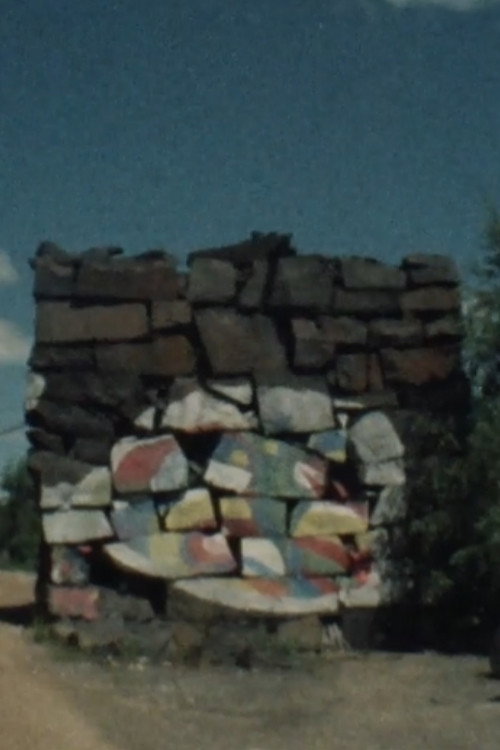
Stone 1975
Stone (1975), an avant-garde gem from Japanese animation pioneer Nobuhiro Aihara, redefines the boundaries of independent filmmaking in just seven captivating minutes. This experimental short, originally titled Stone No.
Director: Nobuhiro Aihara
Frequently Asked Questions
What is Stone (1975) about?
Stone (1975) is an experimental animated short that explores the fluidity of natural and man-made objects. Through abstract visuals, the film transforms stones, houses, and landscapes into ever-changing forms, creating a hypnotic meditation on time and perception.
Who directed Stone?
Stone was directed by Nobuhiro Aihara, a pioneering figure in Japanese independent animation whose work often pushed the boundaries of traditional storytelling.
Who stars in Stone?
Cast details for Stone are not listed, as the film is an abstract animated work focusing on visuals rather than performers.
Is Stone (1975) worth watching?
While Stone (1975) is a niche experimental film, it's a fascinating watch for fans of avant-garde animation. Its brief runtime and unique visuals make it accessible despite its abstract nature, offering a glimpse into Aihara's innovative approach to storytelling.
How long is Stone?
Stone (1975) has a runtime of 7 minutes.
🎥 Trailer
About Stone (1975) — A 7-Minute Japanese Animation Masterpiece
Stone (1975), an avant-garde gem from Japanese animation pioneer Nobuhiro Aihara, redefines the boundaries of independent filmmaking in just seven captivating minutes. This experimental short, originally titled Stone No. 2, transforms ordinary elements—stones, houses, and natural landscapes—into a mesmerizing dance of shapes and textures. Aihara's visionary approach blurs the line between stillness and motion, creating an atmospheric journey that feels both timeless and groundbreaking. The film's meditative rhythm invites viewers to see the world anew, where every frame pulses with quiet energy and subtle metamorphosis.
A cornerstone of Japanese animation's experimental wave, Stone stands as a testament to Aihara's innovative spirit and the limitless possibilities of short-form storytelling. Its abstract yet evocative visuals linger long after the credits roll, blending natural imagery with subtle symbolism. Whether you're a cinephile, animation enthusiast, or lover of poetic cinema, this 1975 masterpiece offers a unique experience that challenges perceptions and celebrates the beauty of transformation.