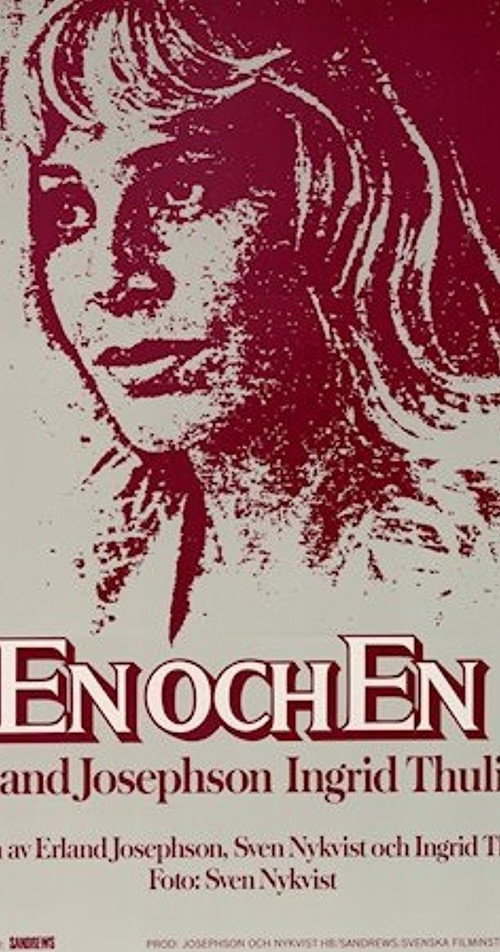
One on One 1978
Dive into the hauntingly quiet world of *One on One (1978)*, Ingmar Bergman's collaborator Sven Nykvist's stark drama that explores the fragile bridge between solitude and connection.
Director: Sven Nykvist
Cast



Frequently Asked Questions
What is One on One (1978) about?
*One on One* follows a middle-aged woman who drags her shy, long-ignored cousin into a journey meant to bridge their emotional divide. As they travel together, long-buried resentments and unspoken truths surface, revealing how frail the bonds of intimacy can be when built on a foundation of past cruelty.
Who directed One on One?
*One on One* was directed by Sven Nykvist, the legendary cinematographer known for his collaborations with Ingmar Bergman and his mastery of light and shadow in storytelling.
Who stars in One on One?
The film stars Ingrid Thulin as the determined woman, Erland Josephson as her withdrawn cousin, alongside Björn Gustafson, Sven Lindberg, and Fillie Lyckow in pivotal roles.
Is One on One (1978) worth watching?
While *One on One (1978)* isn't for those seeking fast-paced action, its slow-burning psychological depth and Nykvist's striking visuals make it a rewarding watch for fans of introspective dramas. The performances by Thulin and Josephson elevate the material, offering a poignant exploration of human connection—or its absence.
How long is One on One?
*One on One* runs for 99 minutes, or just over an hour and a half.
About One on One (1978) — A quiet drama of regret, solitude, and fleeting connection
Dive into the hauntingly quiet world of *One on One (1978)*, Ingmar Bergman's collaborator Sven Nykvist's stark drama that explores the fragile bridge between solitude and connection. At its heart, the film follows a middle-aged woman (Ingrid Thulin, in a masterclass of restrained intensity) as she drags her once-ostracized cousin (Erland Josephson) out of his self-imposed isolation for a journey neither seems eager to take. Their uneasy voyage unfolds as a slow-burning dissection of regret, unspoken wounds, and the quiet desperation of human interaction, set against a backdrop of muted emotions and stark Scandinavian landscapes. Nykvist's cinematography lends the film a contemplative, almost clinical precision, emphasizing the emotional chasm that lingers between the two despite their physical proximity.
This is no mere character study—it's a meditation on the fragility of relationships and the weight of past cruelty, all wrapped in the director's signature blend of psychological depth and visual elegance. The sparse dialogue and lingering silences amplify the tension, making every glance and hesitation feel like a loaded gun. For fans of introspective, dialogue-driven dramas, *One on One (1978)* offers a quietly devastating experience that lingers long after the final frame.